HENRY'S FORK
OF THE SNAKE RIVER, IDAHO
The Fork
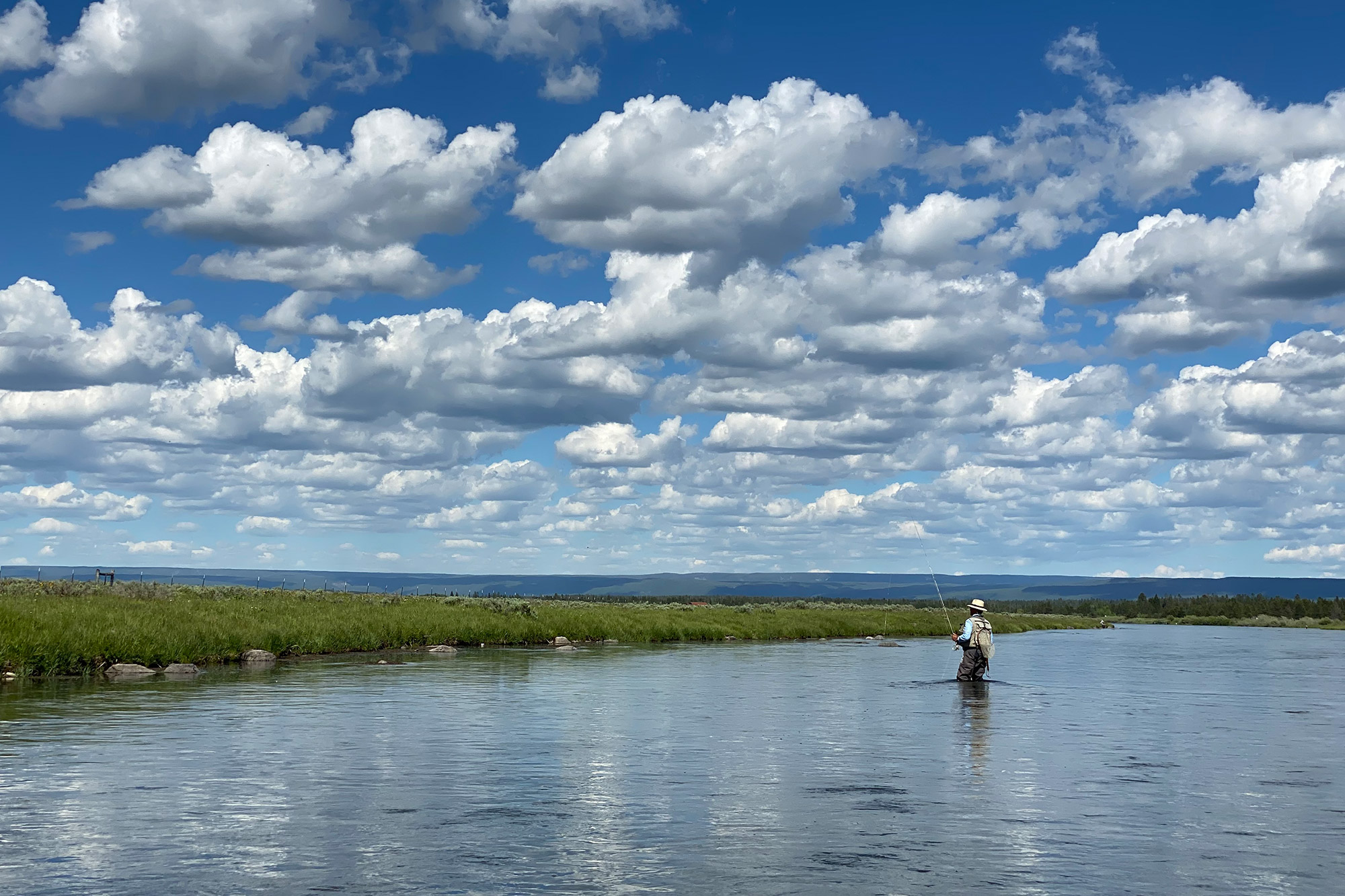
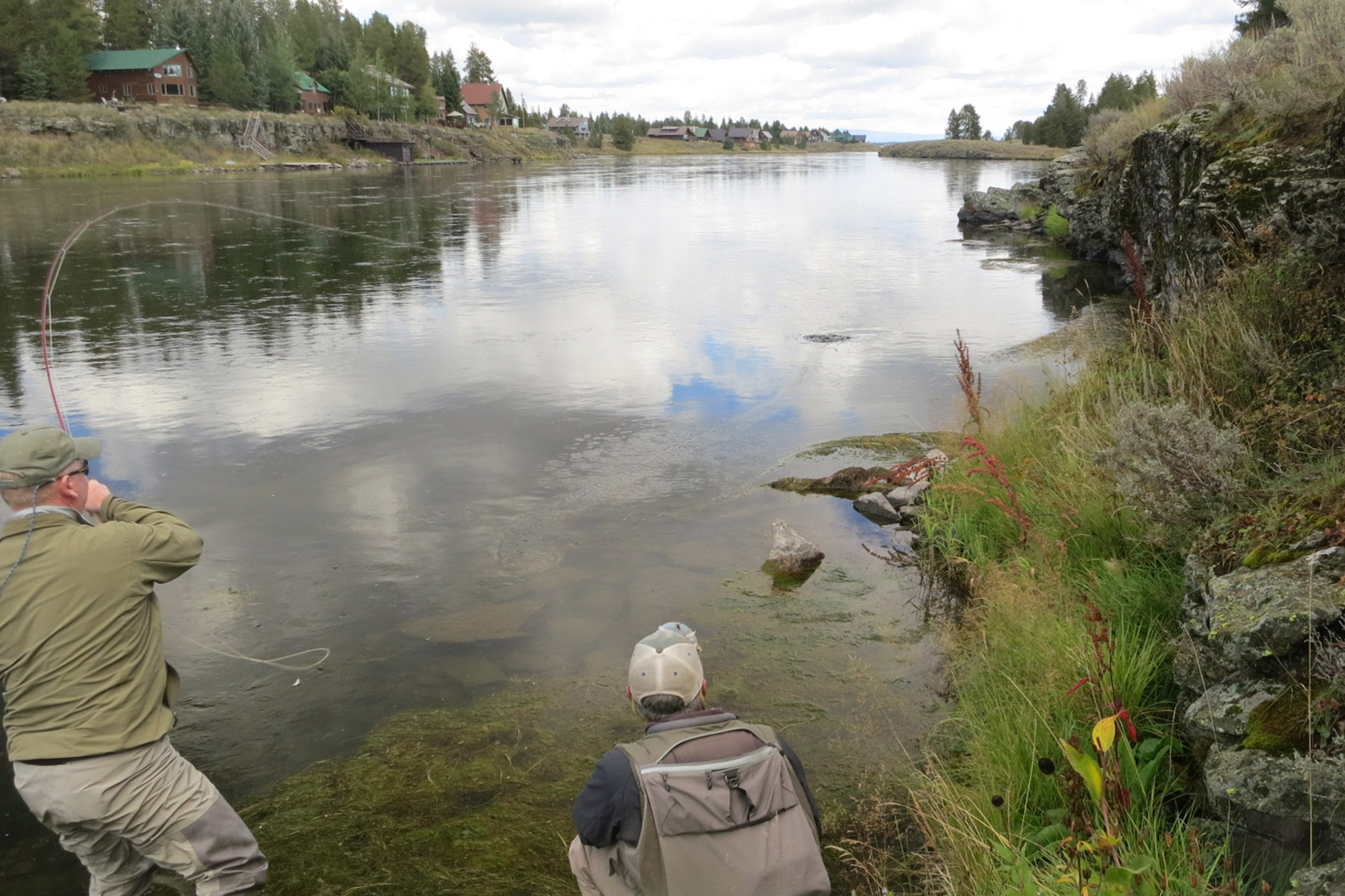
With its own well deserved angling history and incredible diversity of opportunities, The Henry’s Fork challenges the Madison for the title of “most prominent” angling destination in our region. The Fork has some 70 miles of diverse fishable water, ranging from some of the most demanding and technical flat water sight fishing to fast moving canyon water. It offers something for every angler.
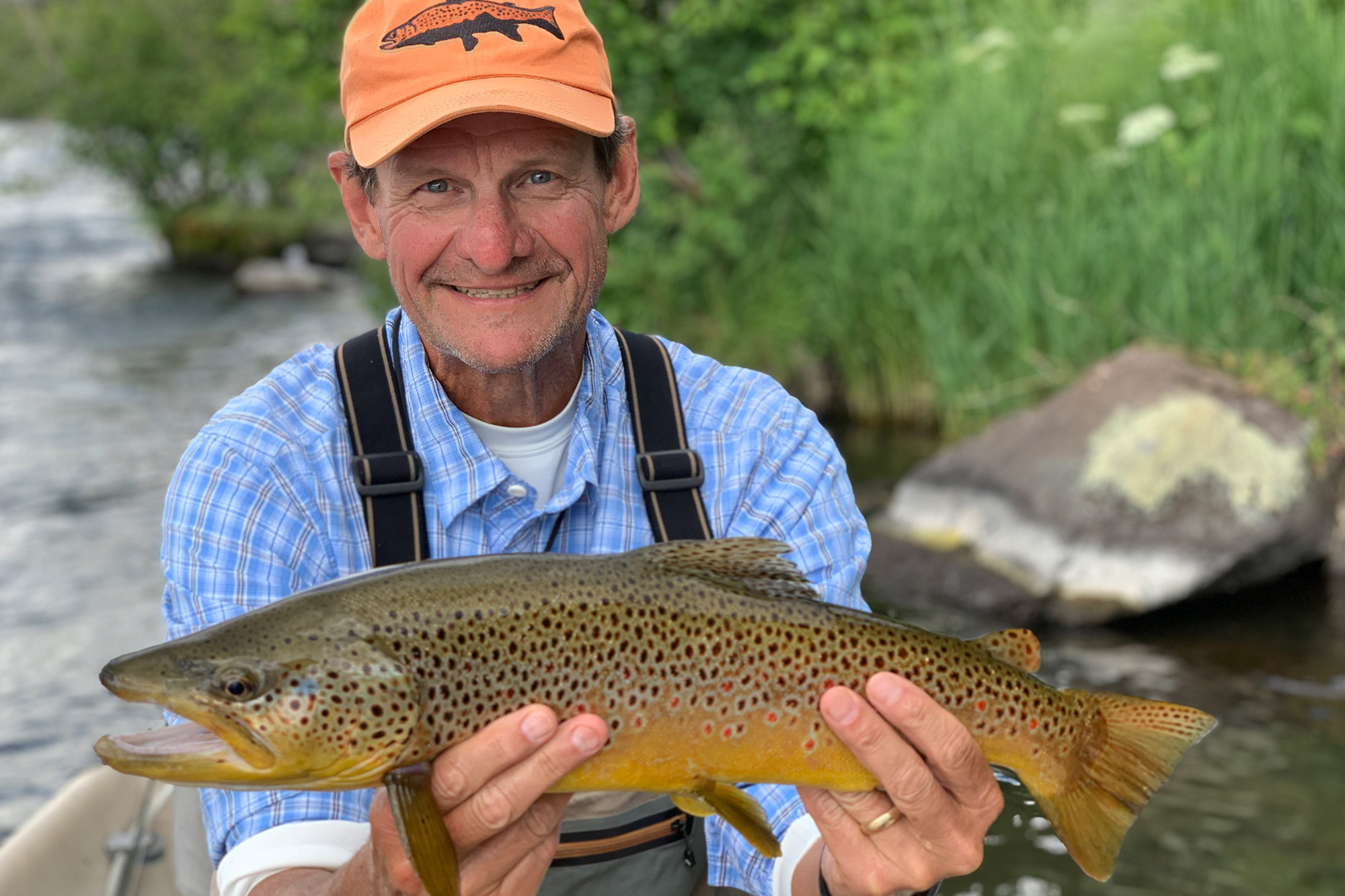
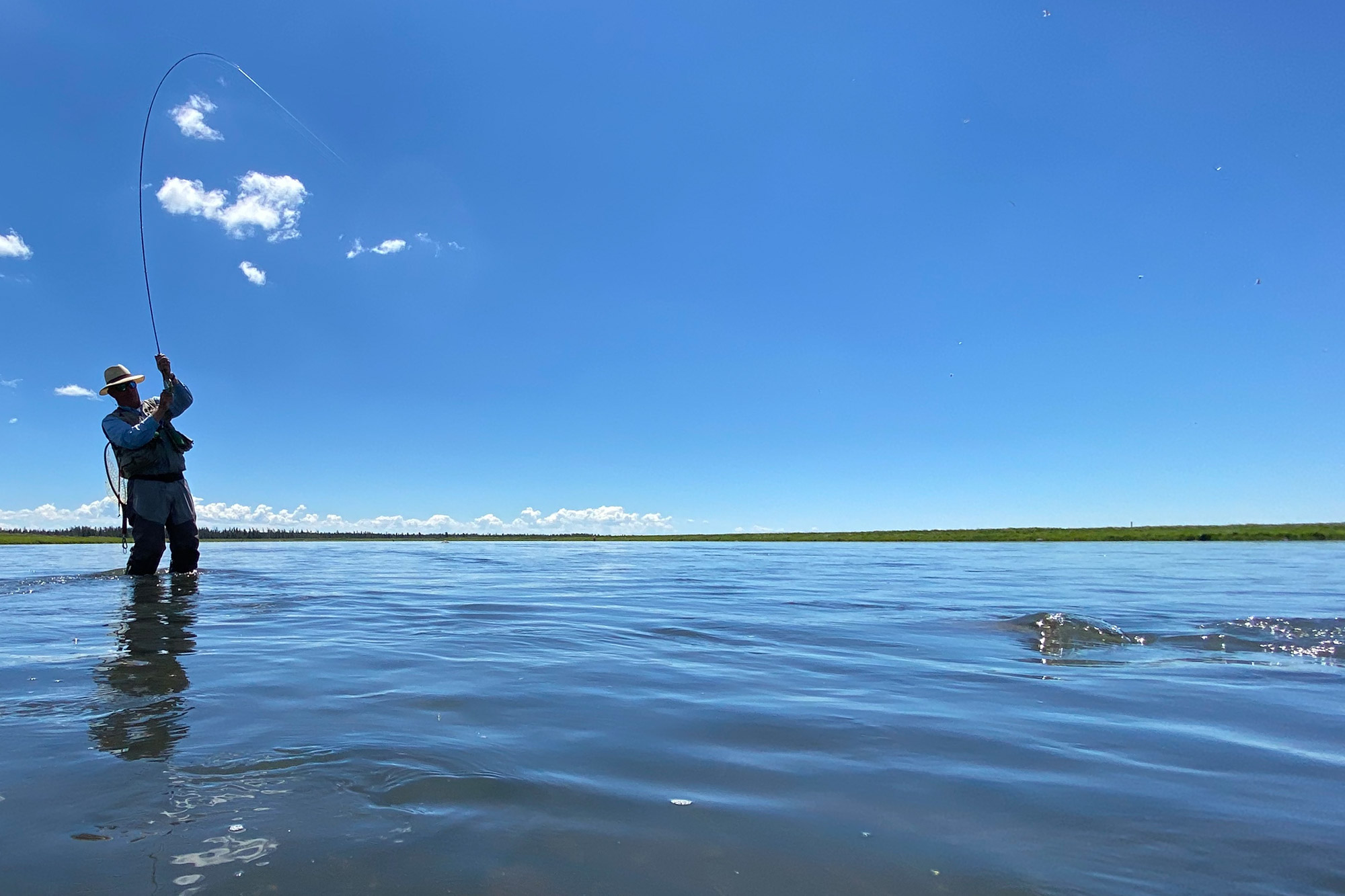
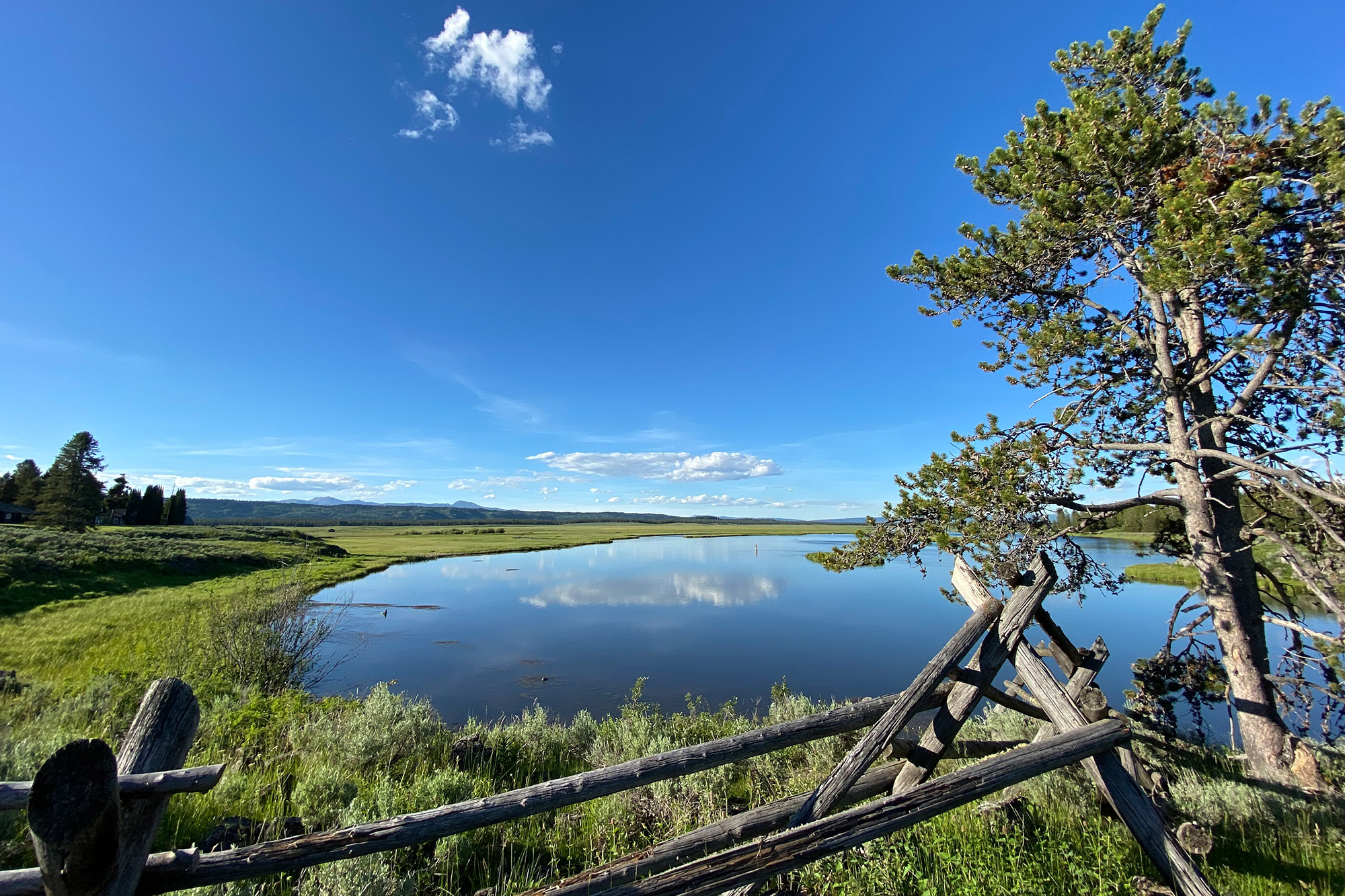
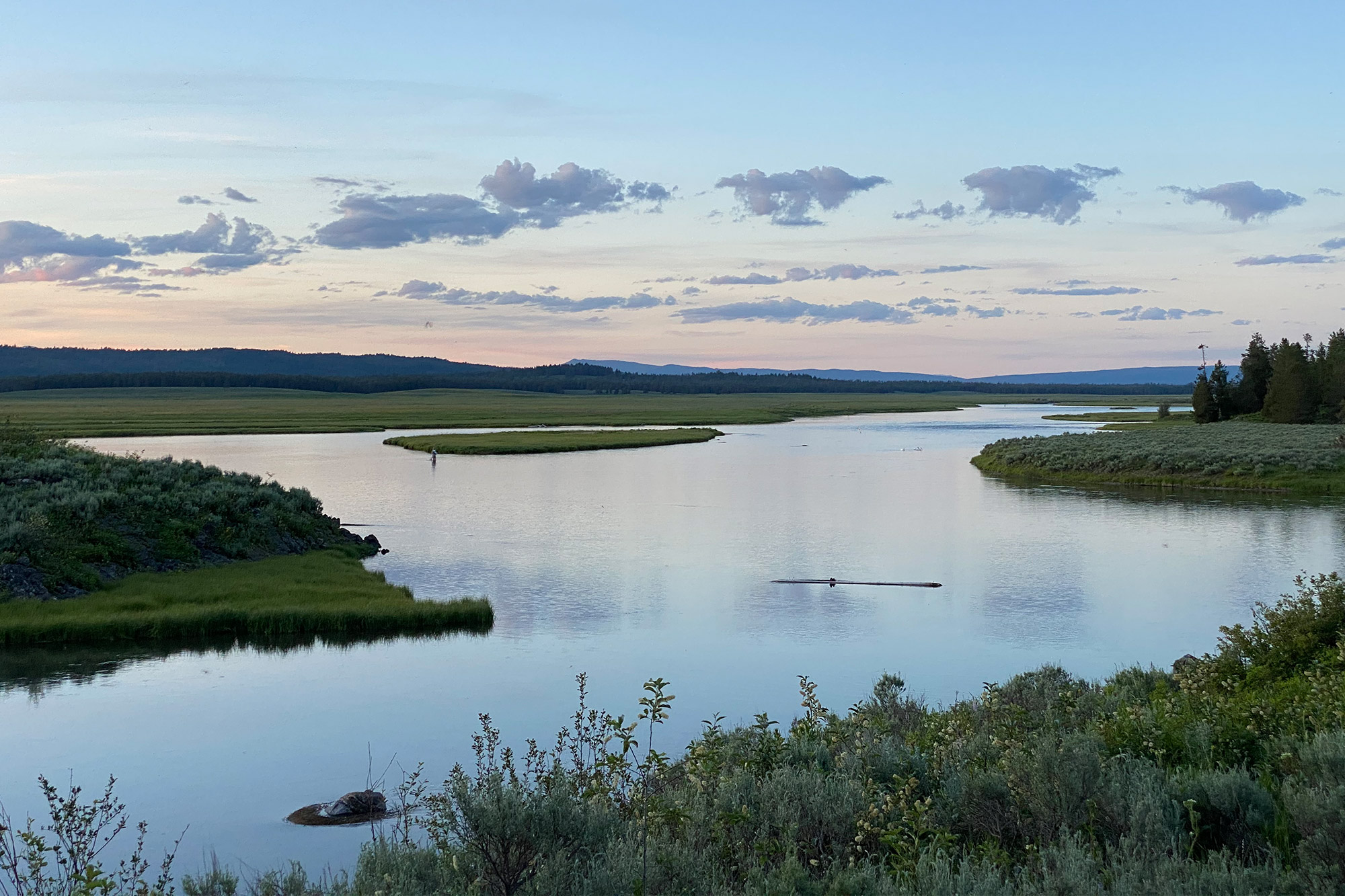
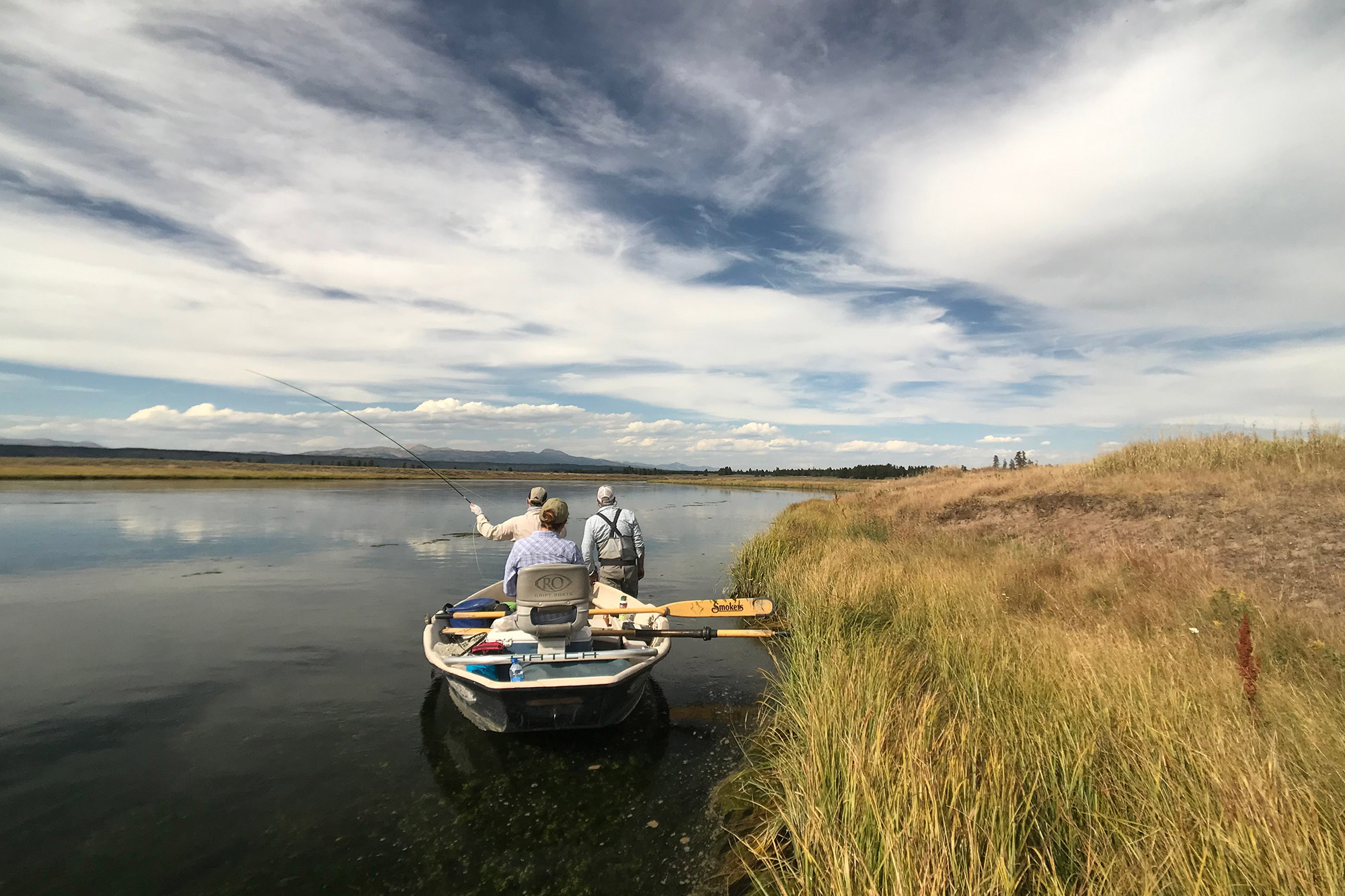
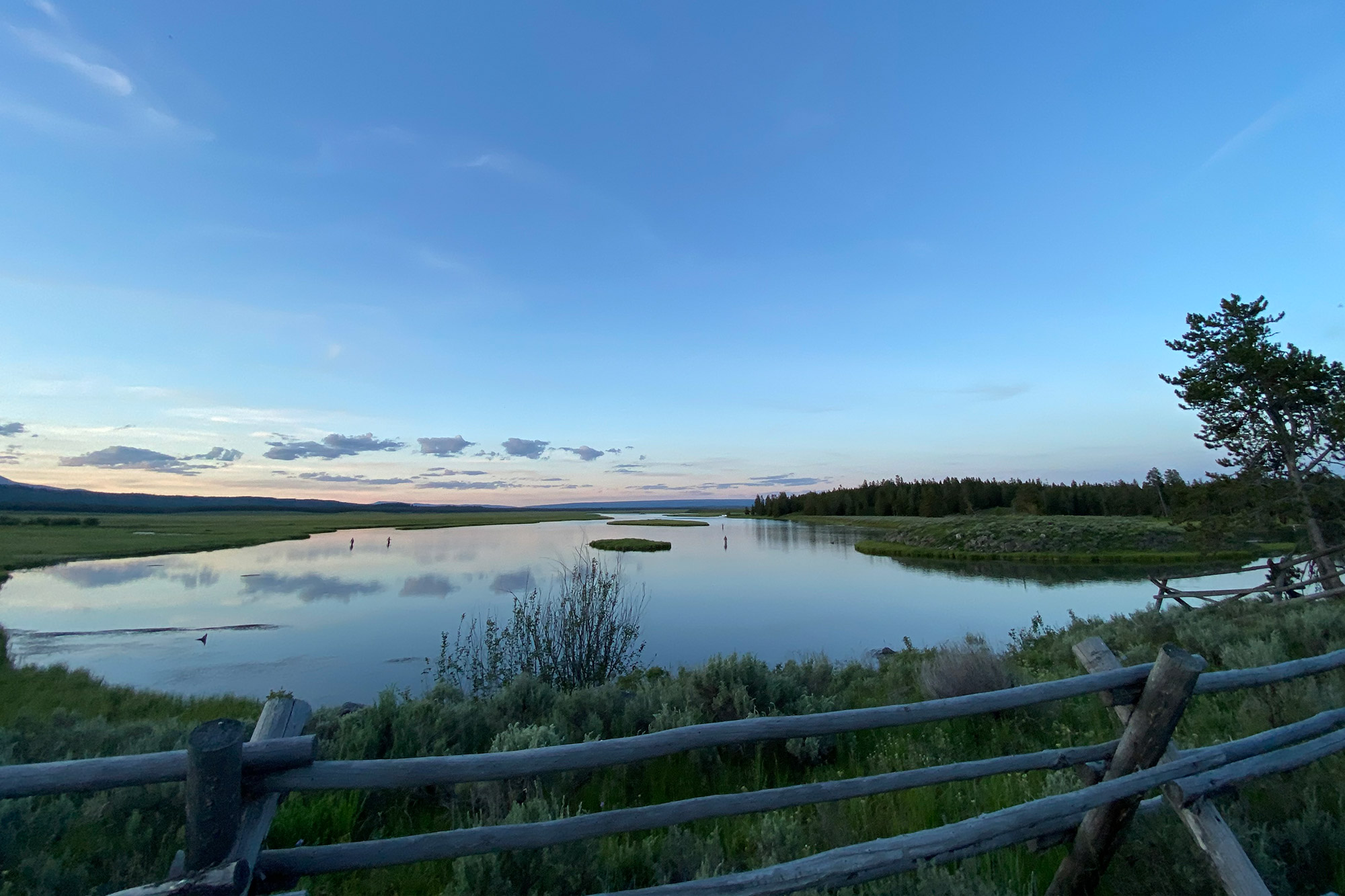
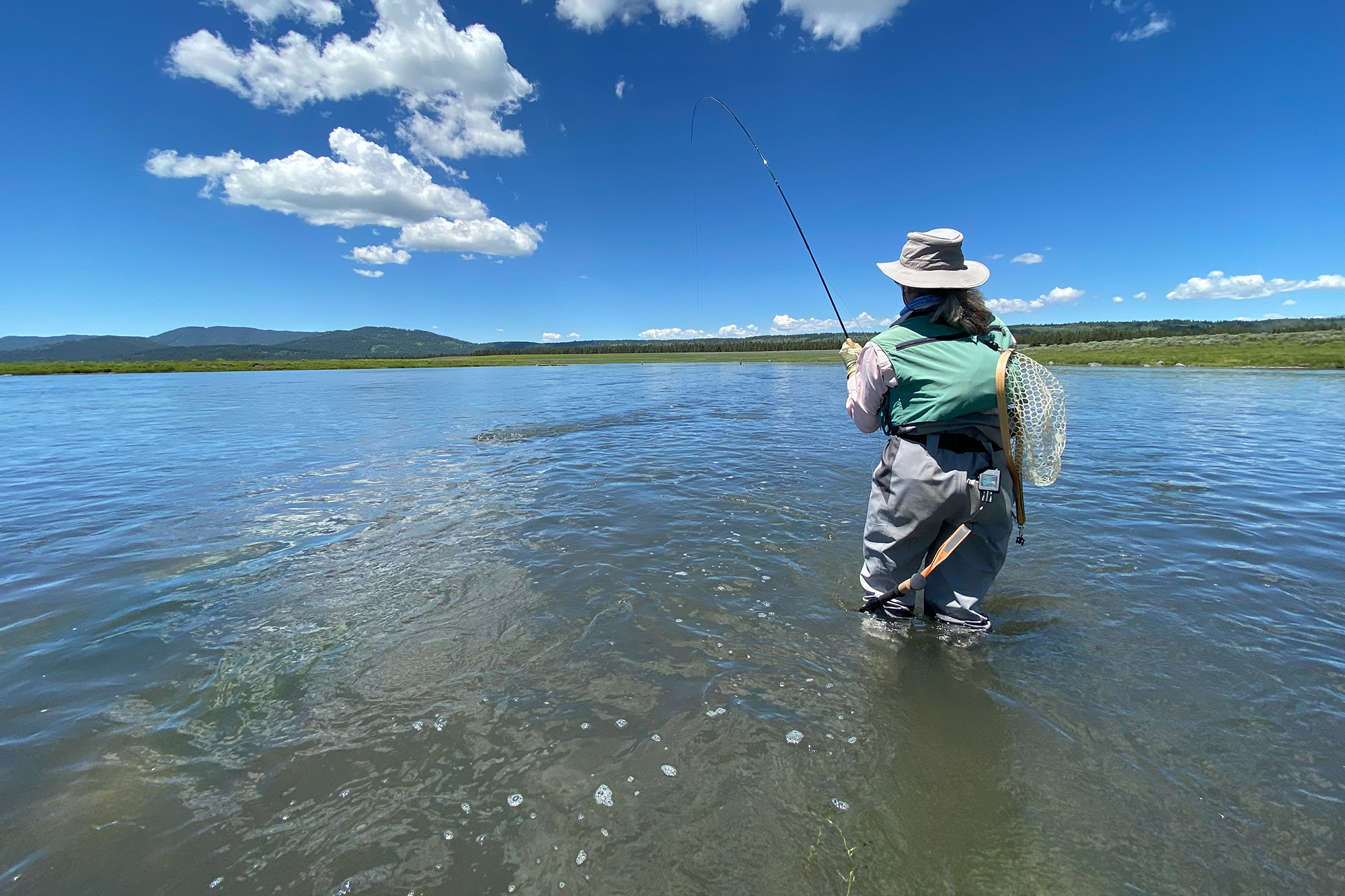
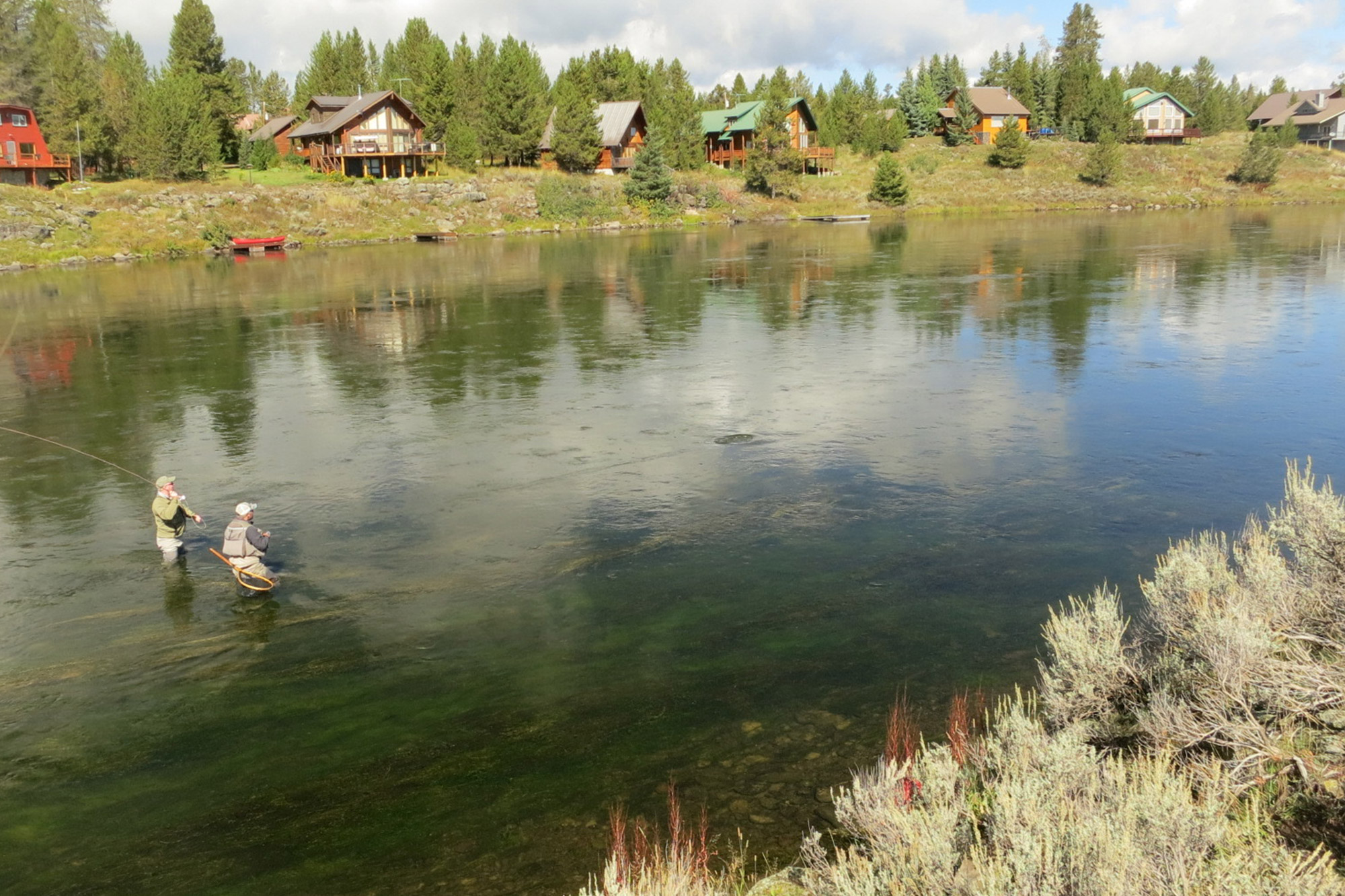
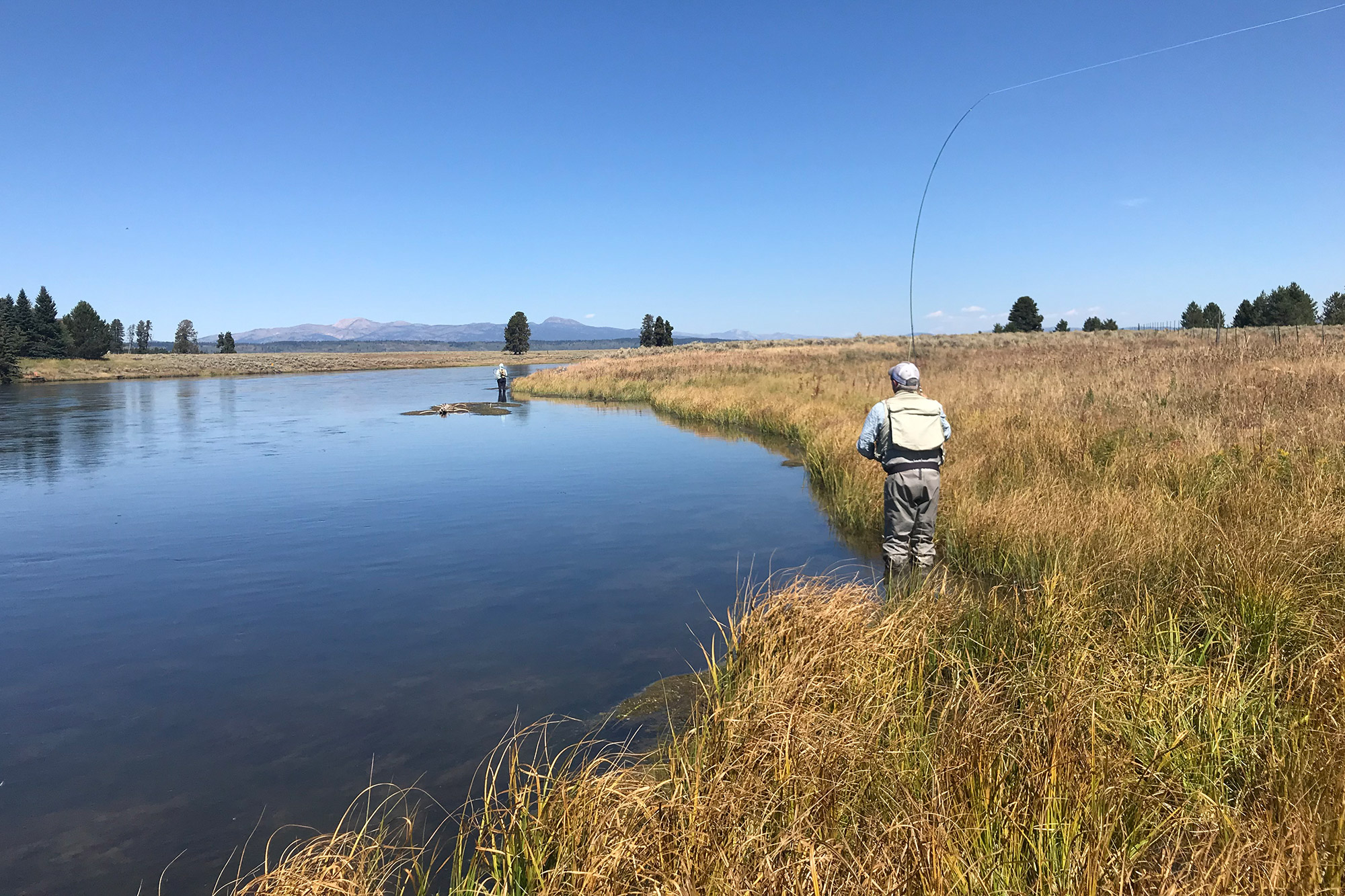
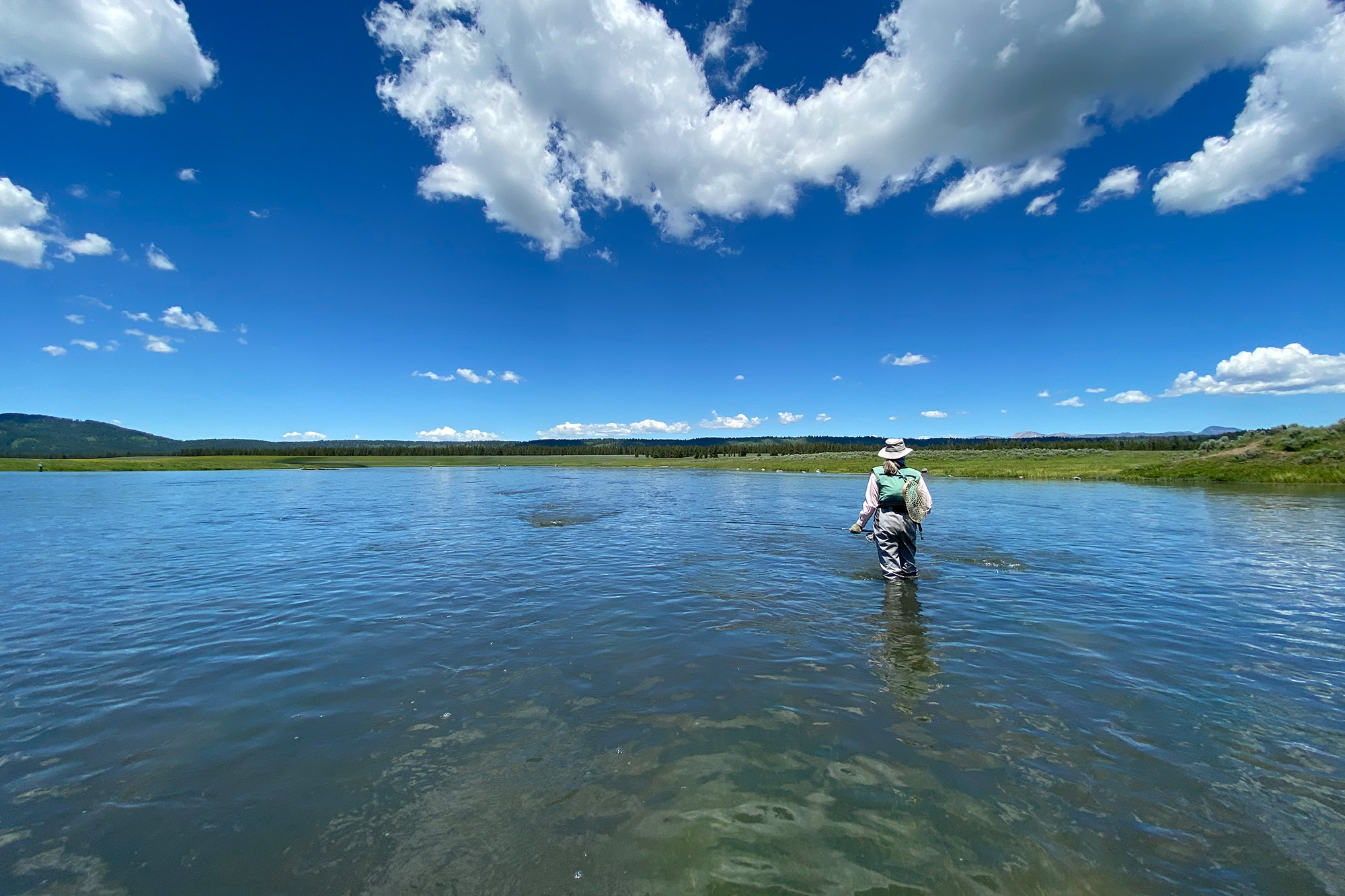
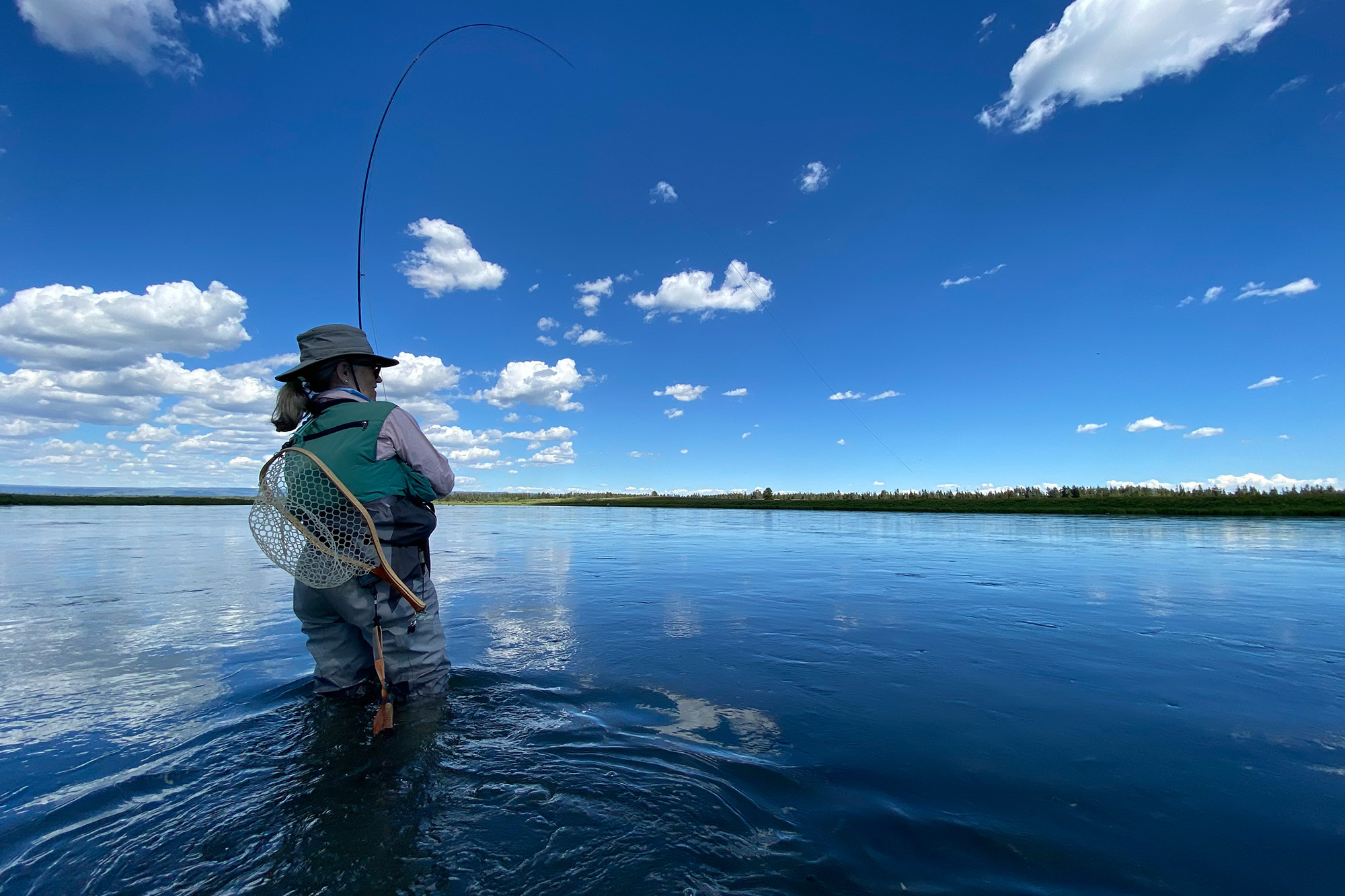
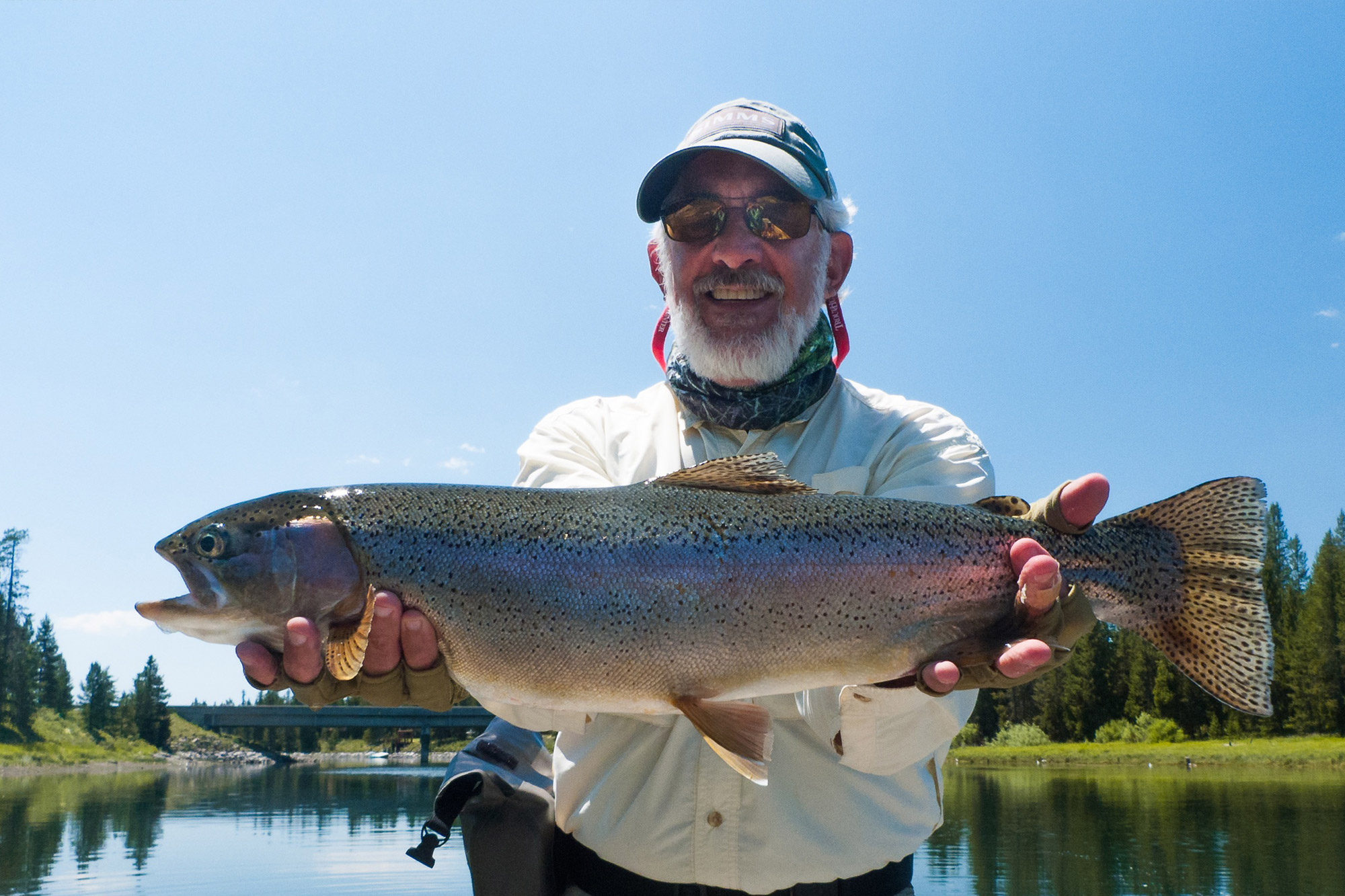
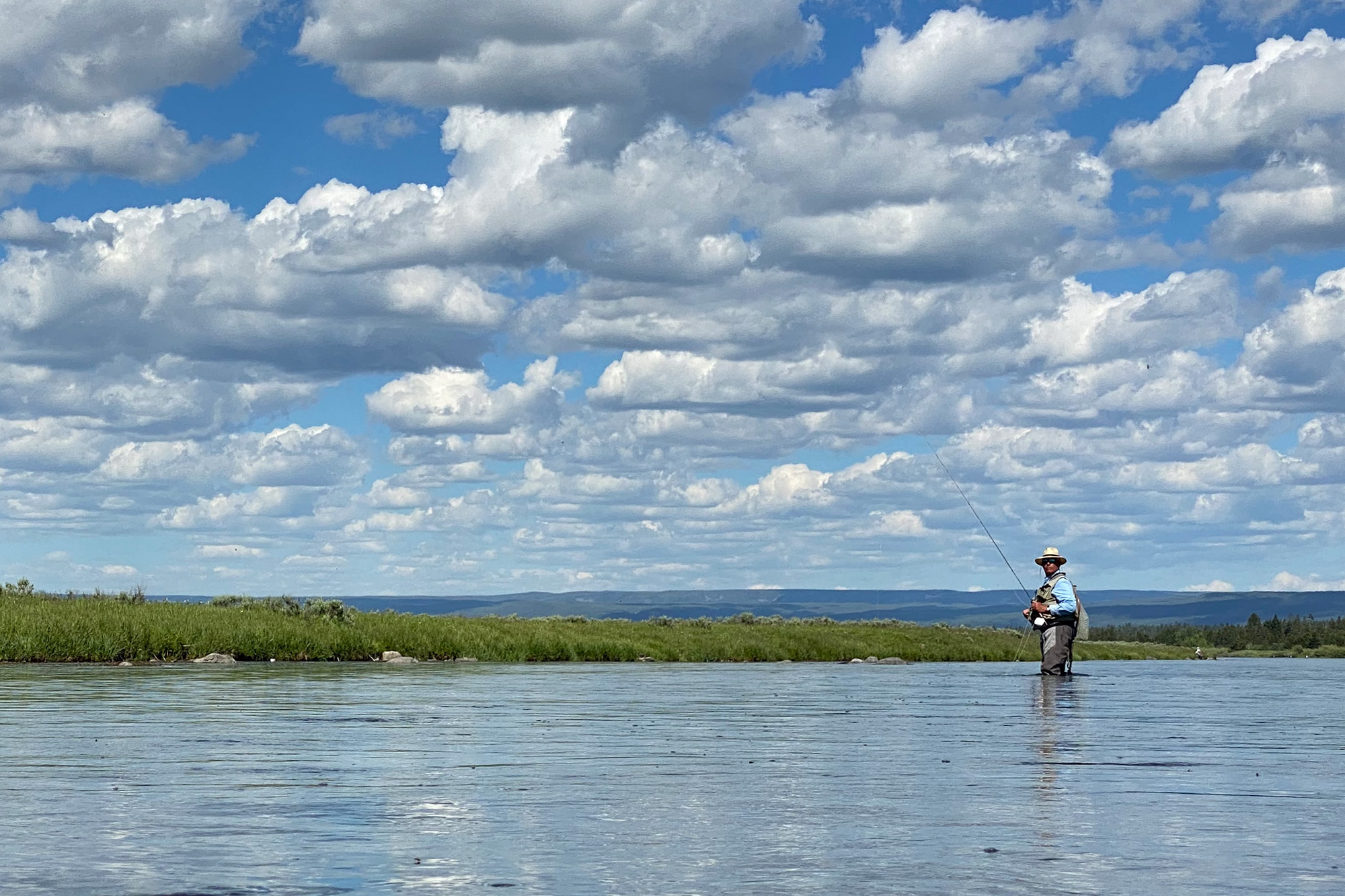
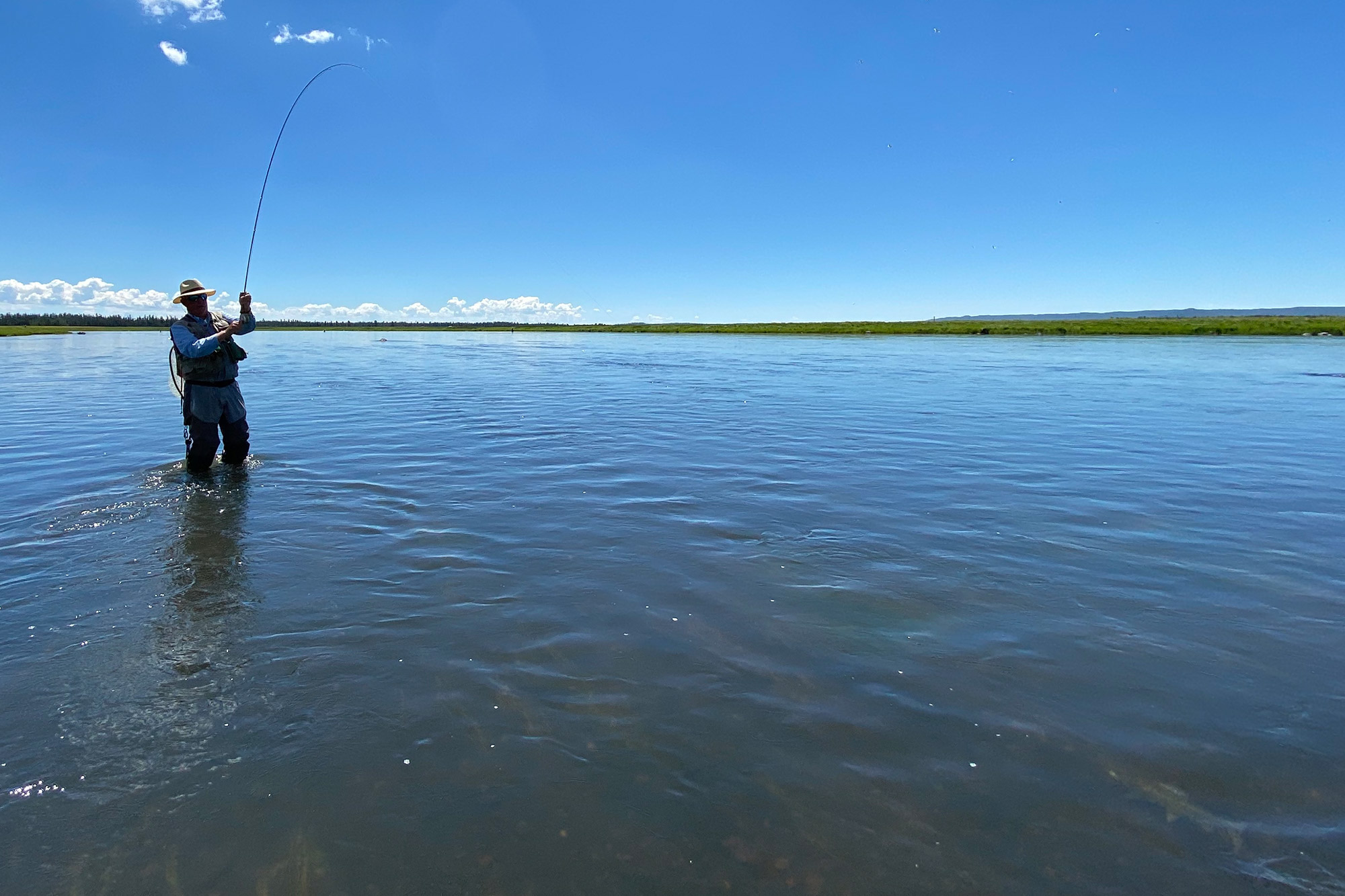
This is the largest spring creek in the United States, its hatches prolific, its trout extremely healthy, and its setting truly remarkable. A large trout taken from the Railroad Ranch (Harriman State Park) section is a feather in any trout hunting angler’s cap, and it is this seven-mile-long piece of dry fly delight for which the river is most known. Wide, shallow, and crystal clear, this is a very unique trout fishing environment and a place absolutely worth spending a day’s trout fishing. The Henry’s Fork is a bug factory, it provides anglers with opportunities to fish a broad spectrum of western hatches. Many times anglers have difficulty matching the hatch here because they are fishing to trout selectively feeding on one particular stage of one insect during overlapping hatches. The Fork always provides anglers with a learning experience and is a supreme place to acquaint oneself to match-the-hatch flyfishing.
Hatches on the Henry’s Fork include: spring baetis, march browns, salmonflies, golden stones, several species of caddis, pale morning duns, flavs, green drakes, brown drakes, grey drakes, tricos, callibaetis, mahoganies, pseudocloeons, and fall baetis.

THE UPPER RIVER - BIG SPRINGS TO RIVERSIDE CAMPGROUND
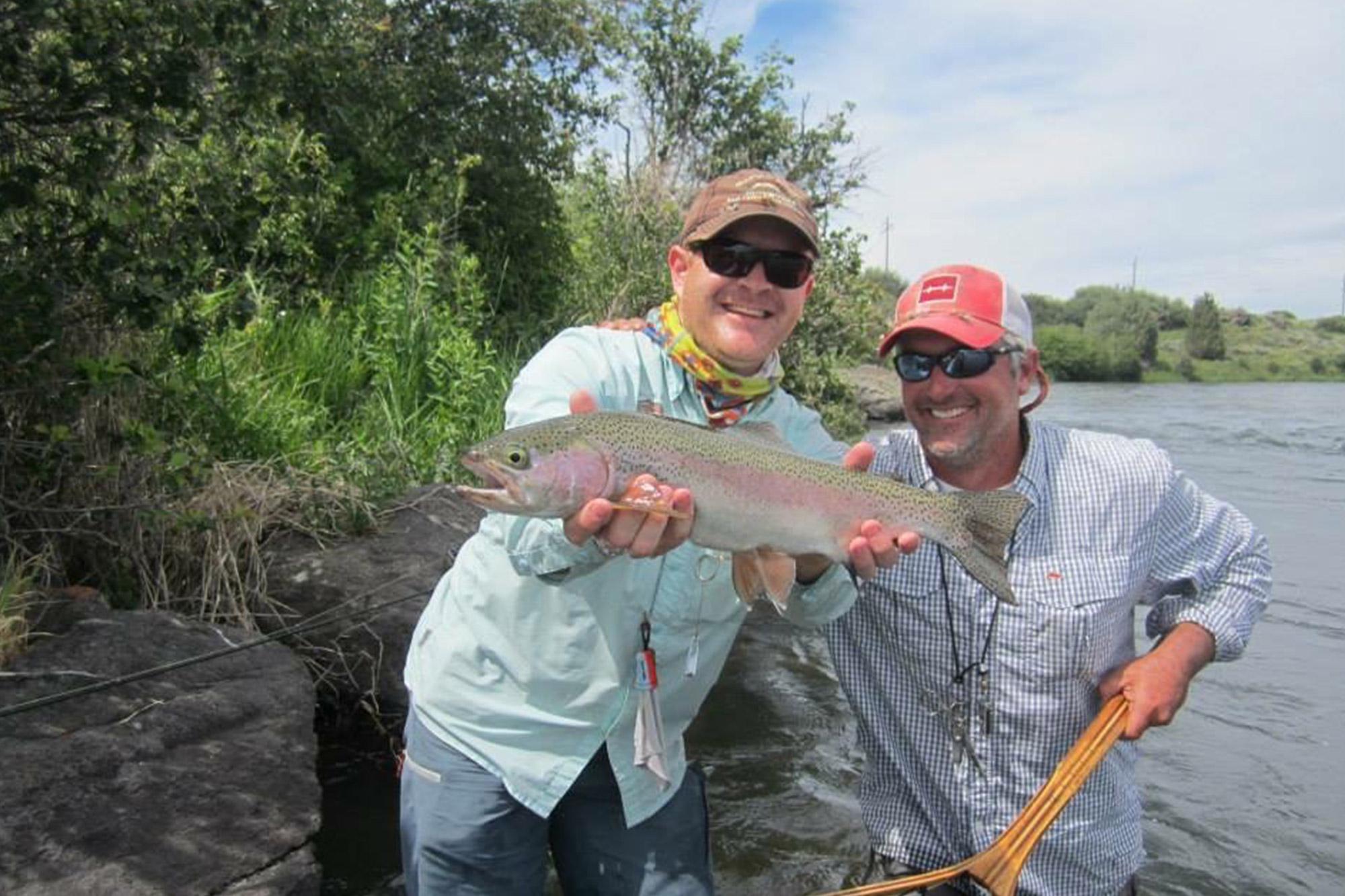
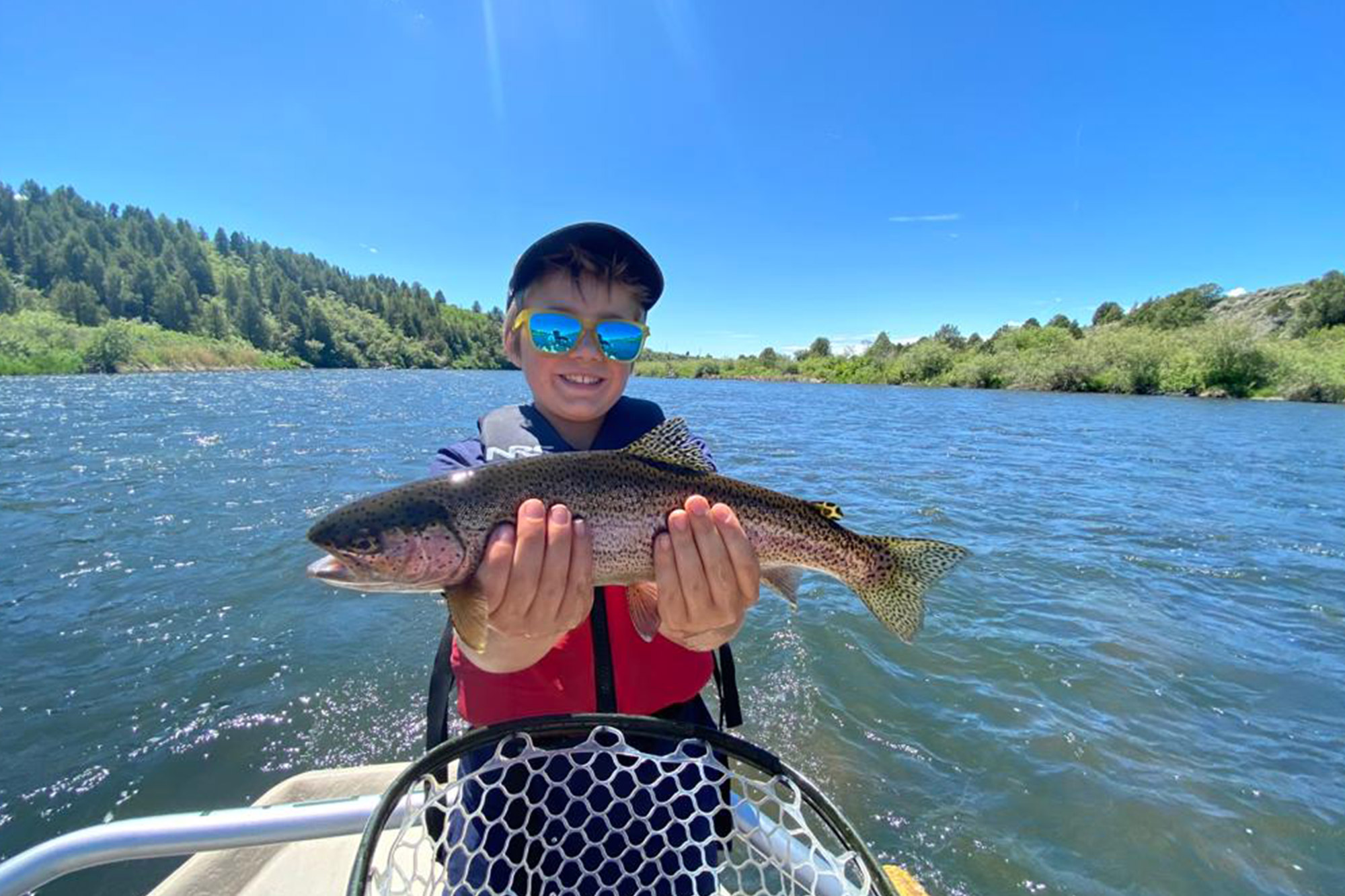
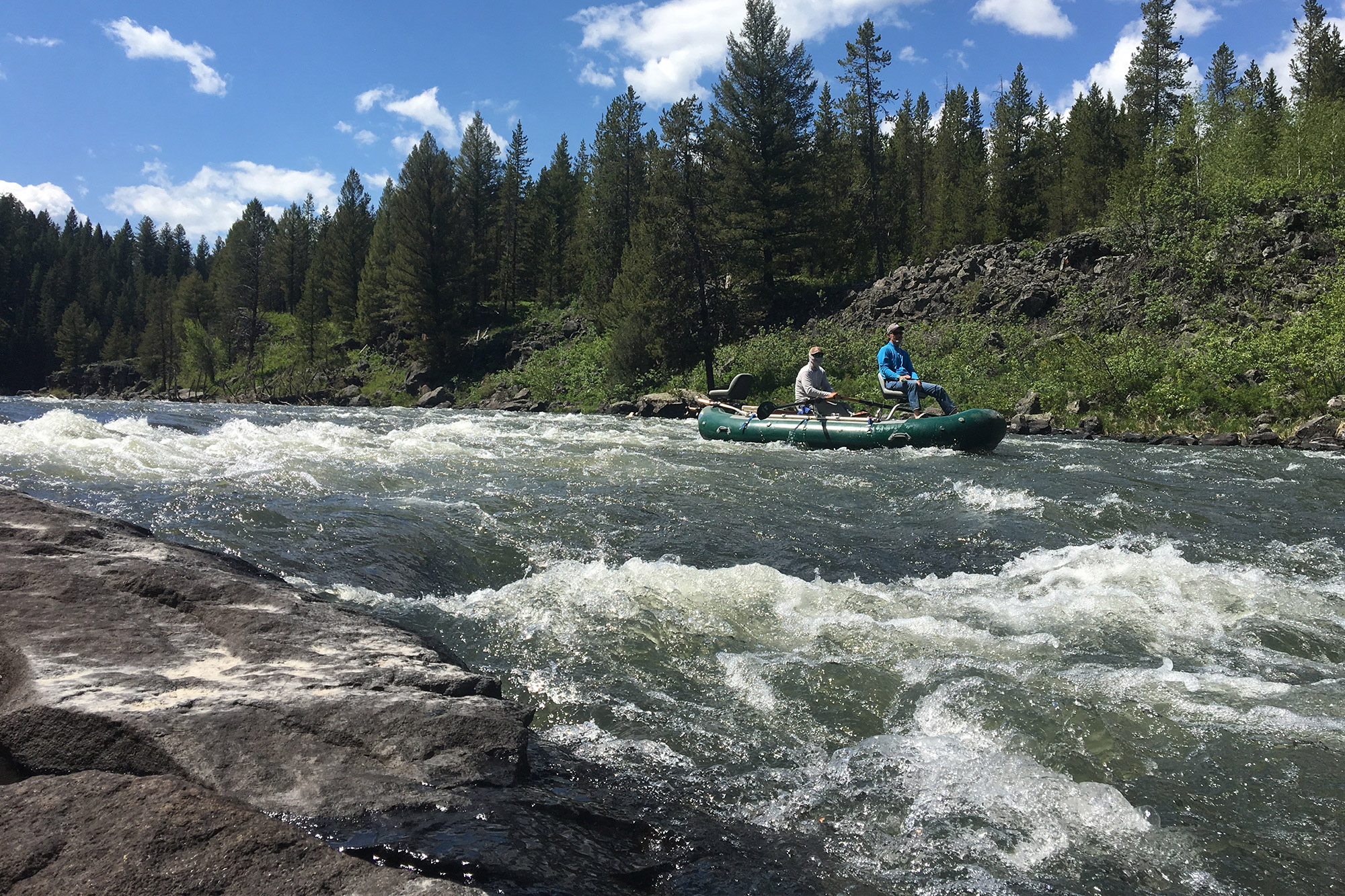
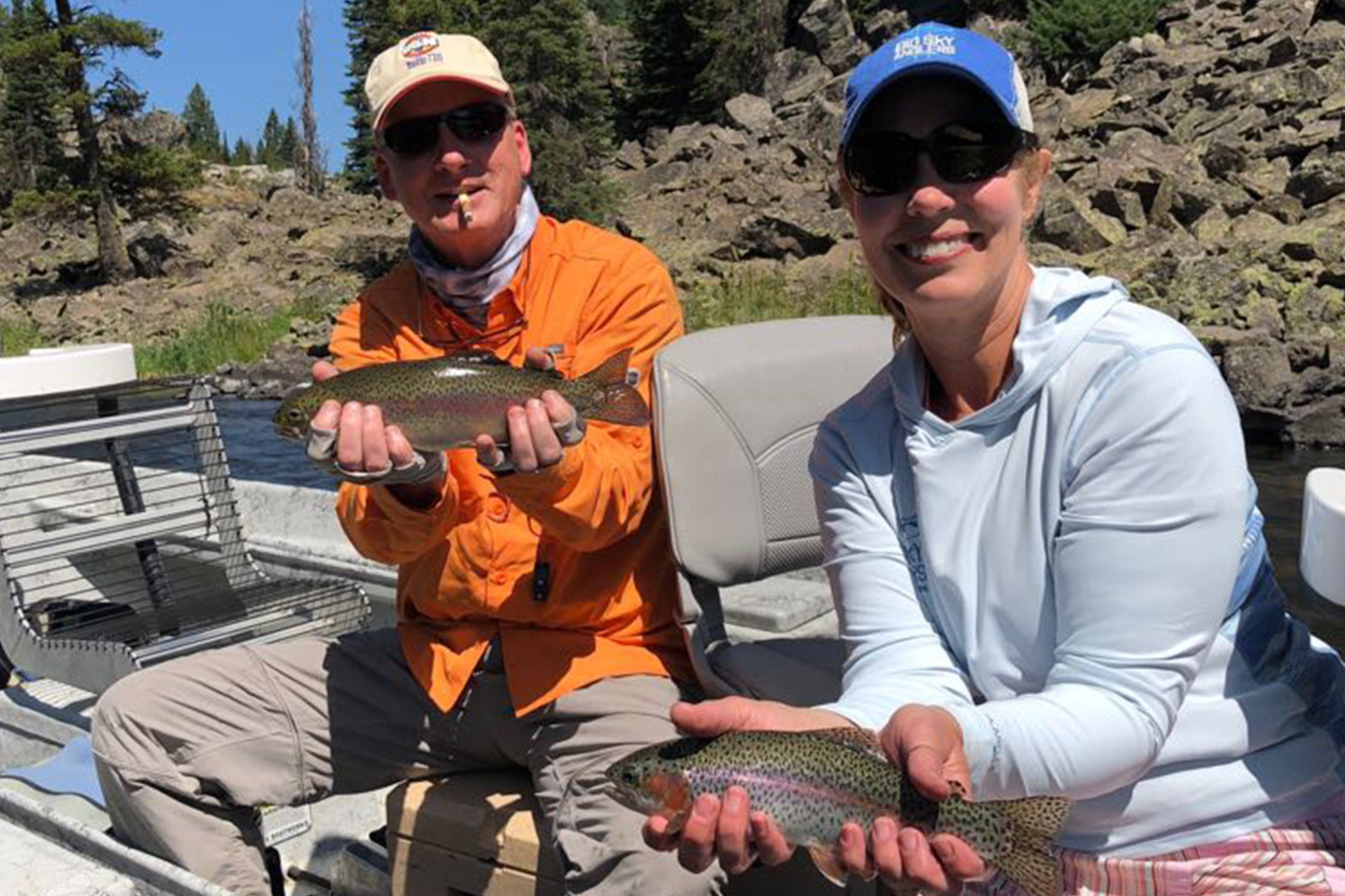
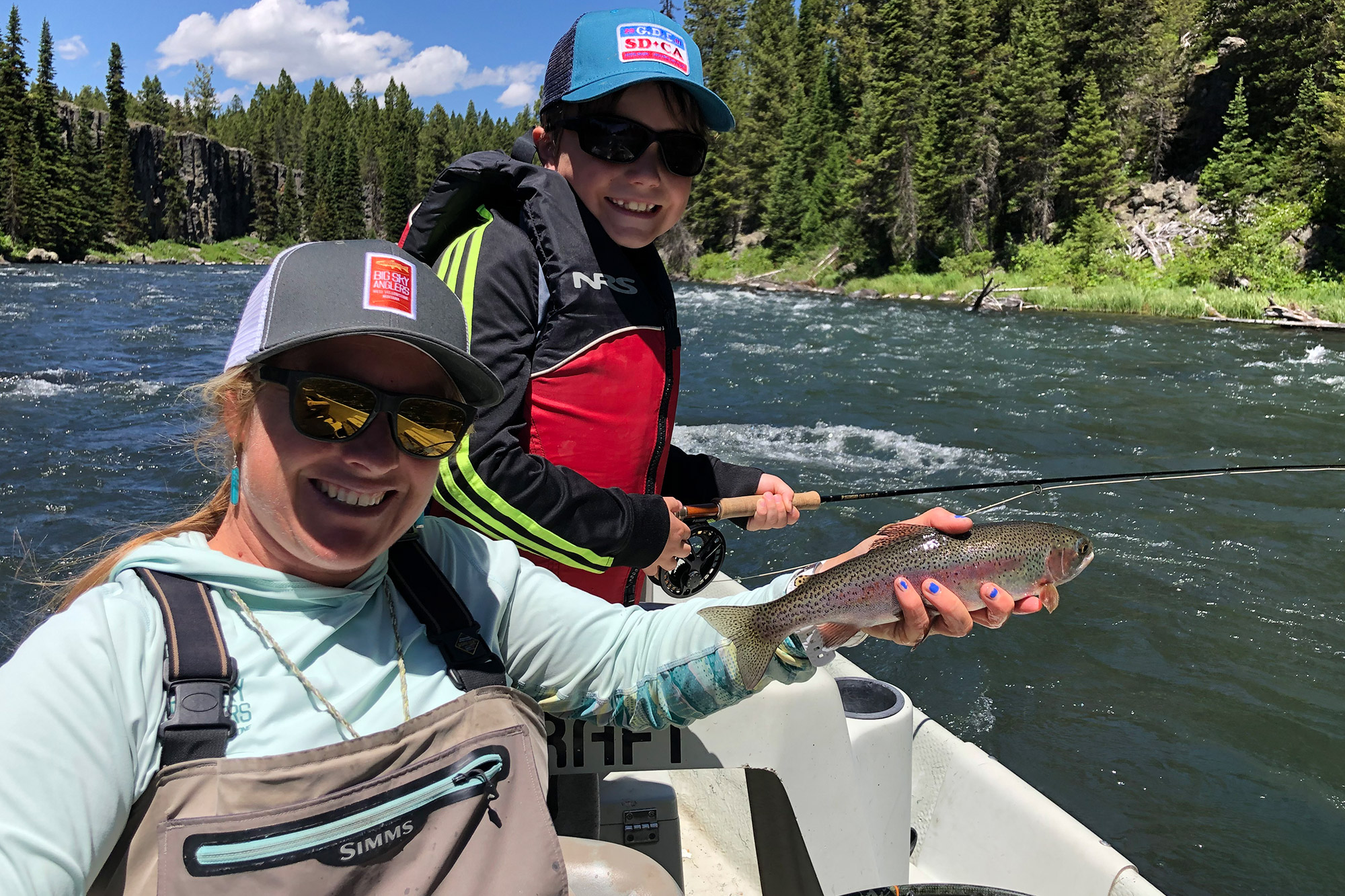
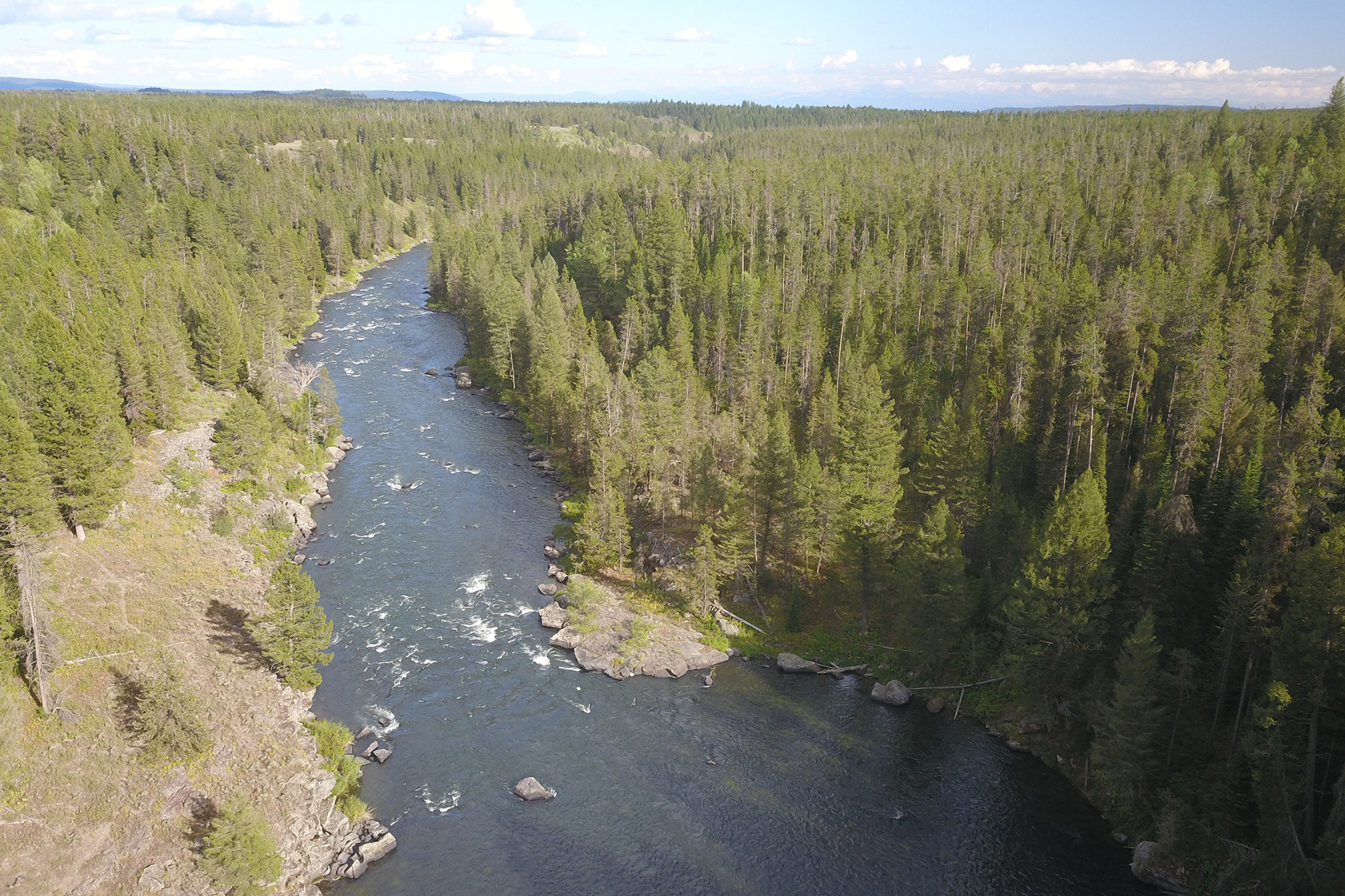
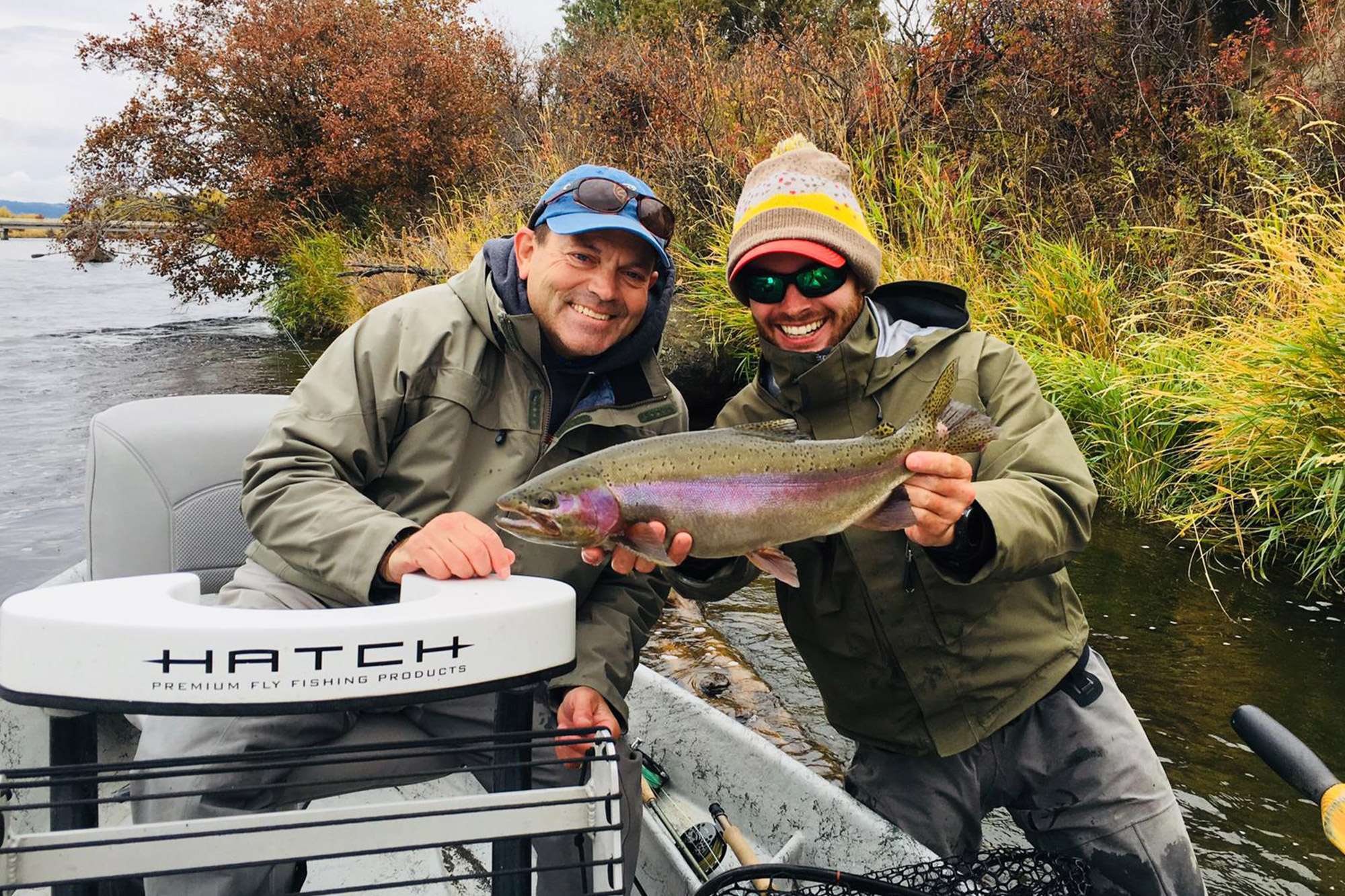
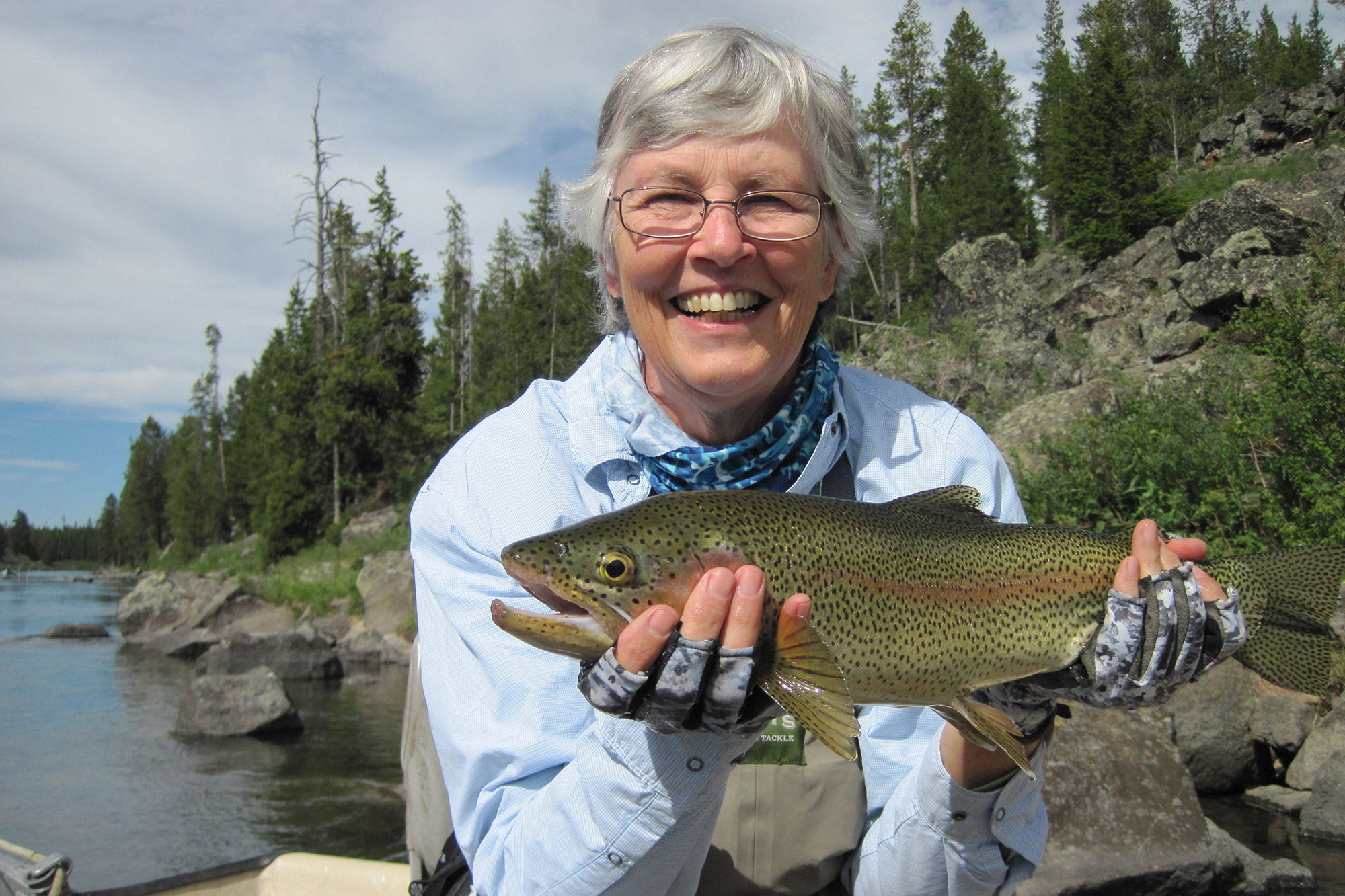
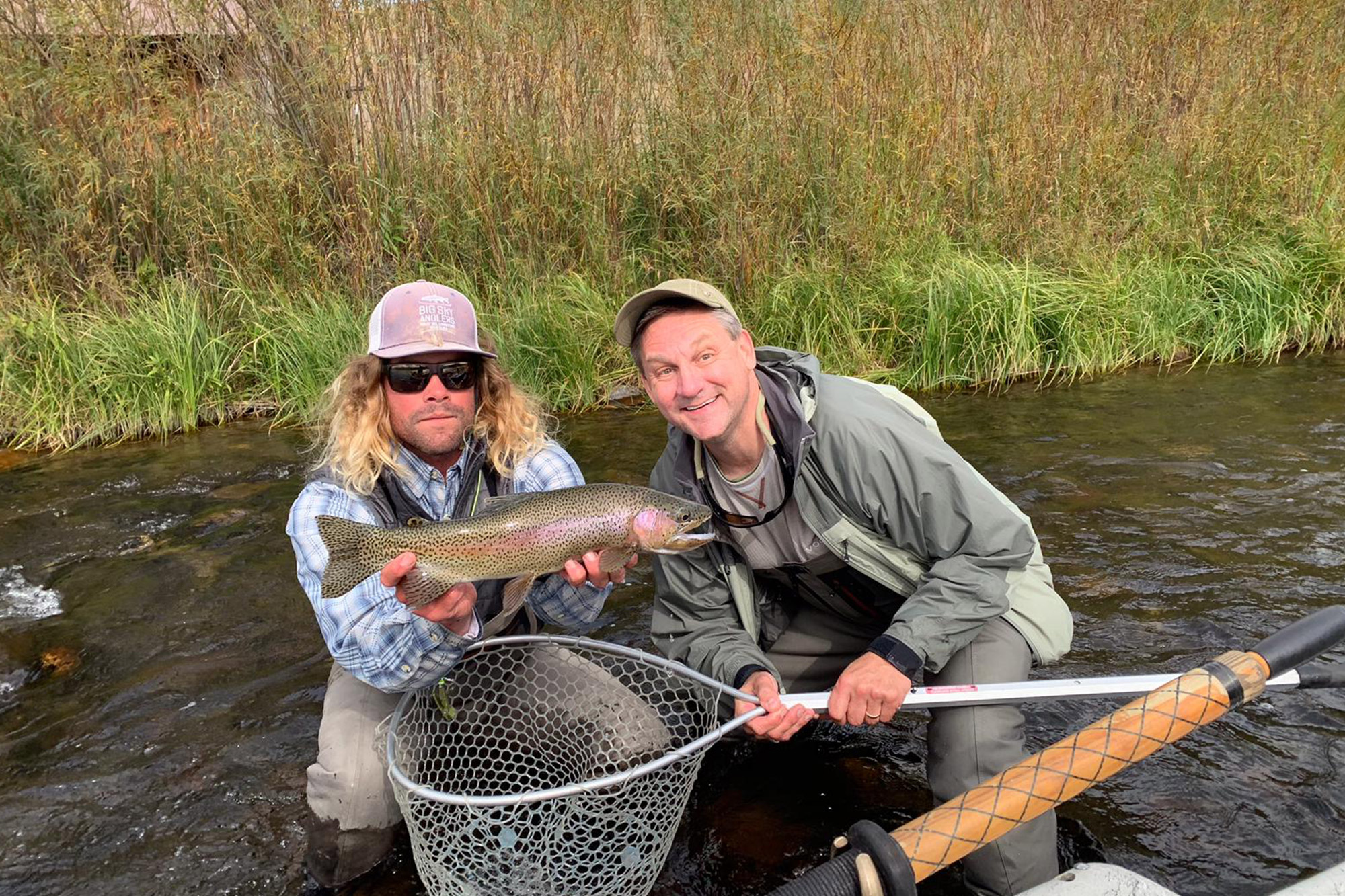
Once outside the Island Park Dam, the Henry’s Fork runs through a three-mile-long canyon known as the Box Canyon. Though dry fly opportunity is available during certain times of the year, this is predominantly nymphing territory – some of the best in the country in fact. In “The Box”, anglers can expect to hone their nymphing skills and find some great rewards in the form of fat and healthy rainbows that are a challenge to bring to the net in such fast water. The Box Canyon float takes us through a stunning basalt canyon which carves through National Forest where eagles, ospreys, and moose abound.
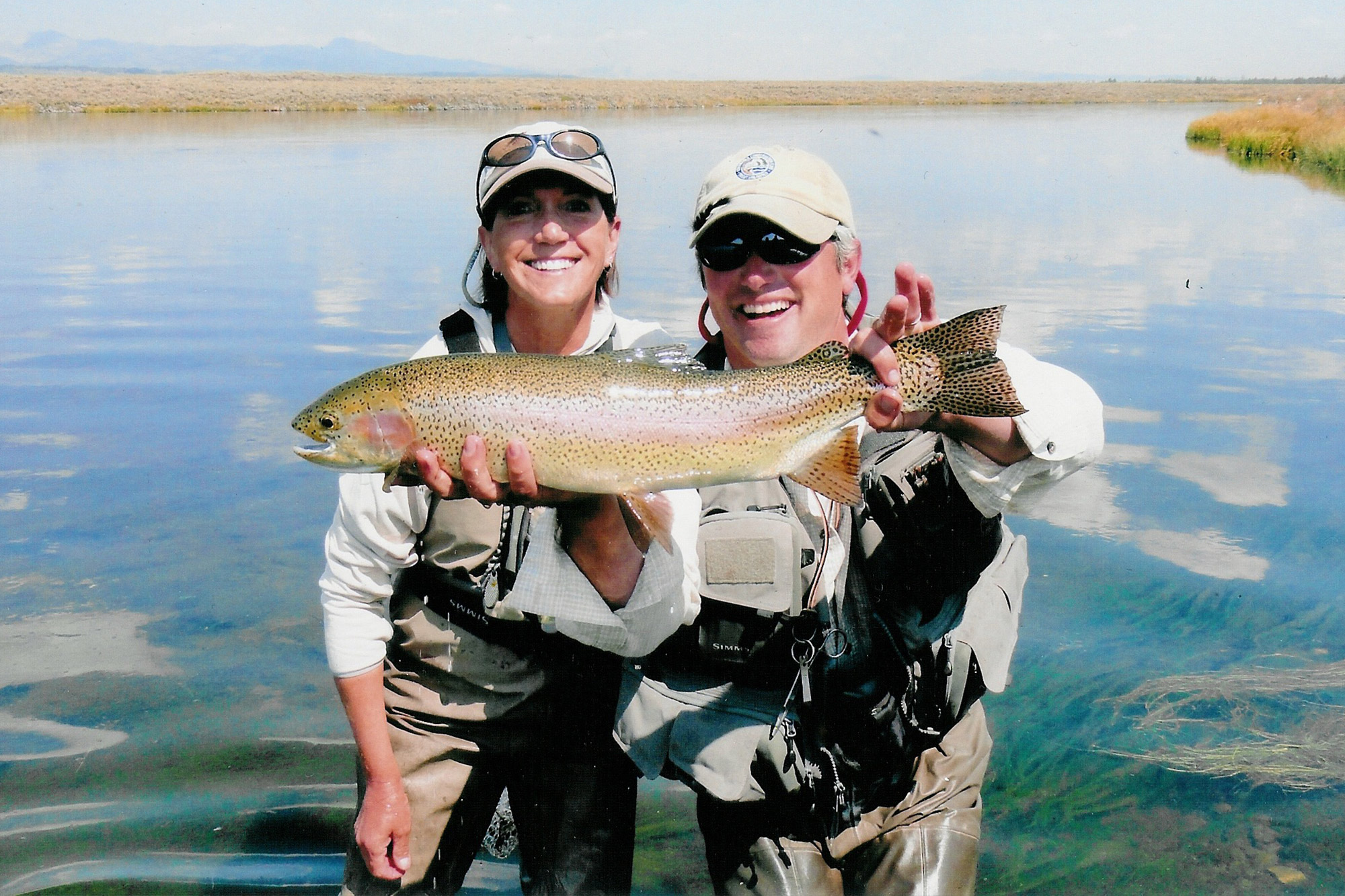
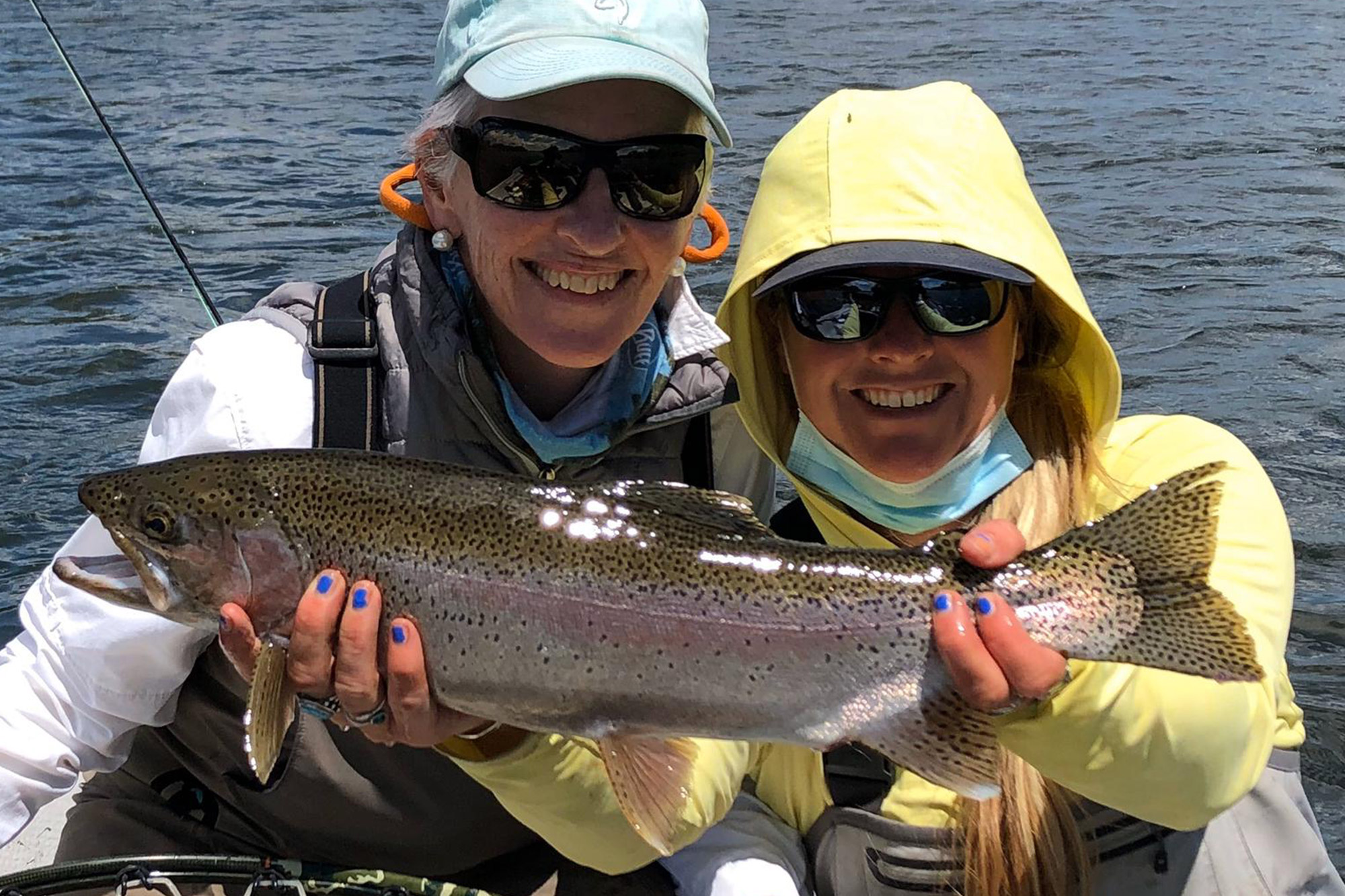
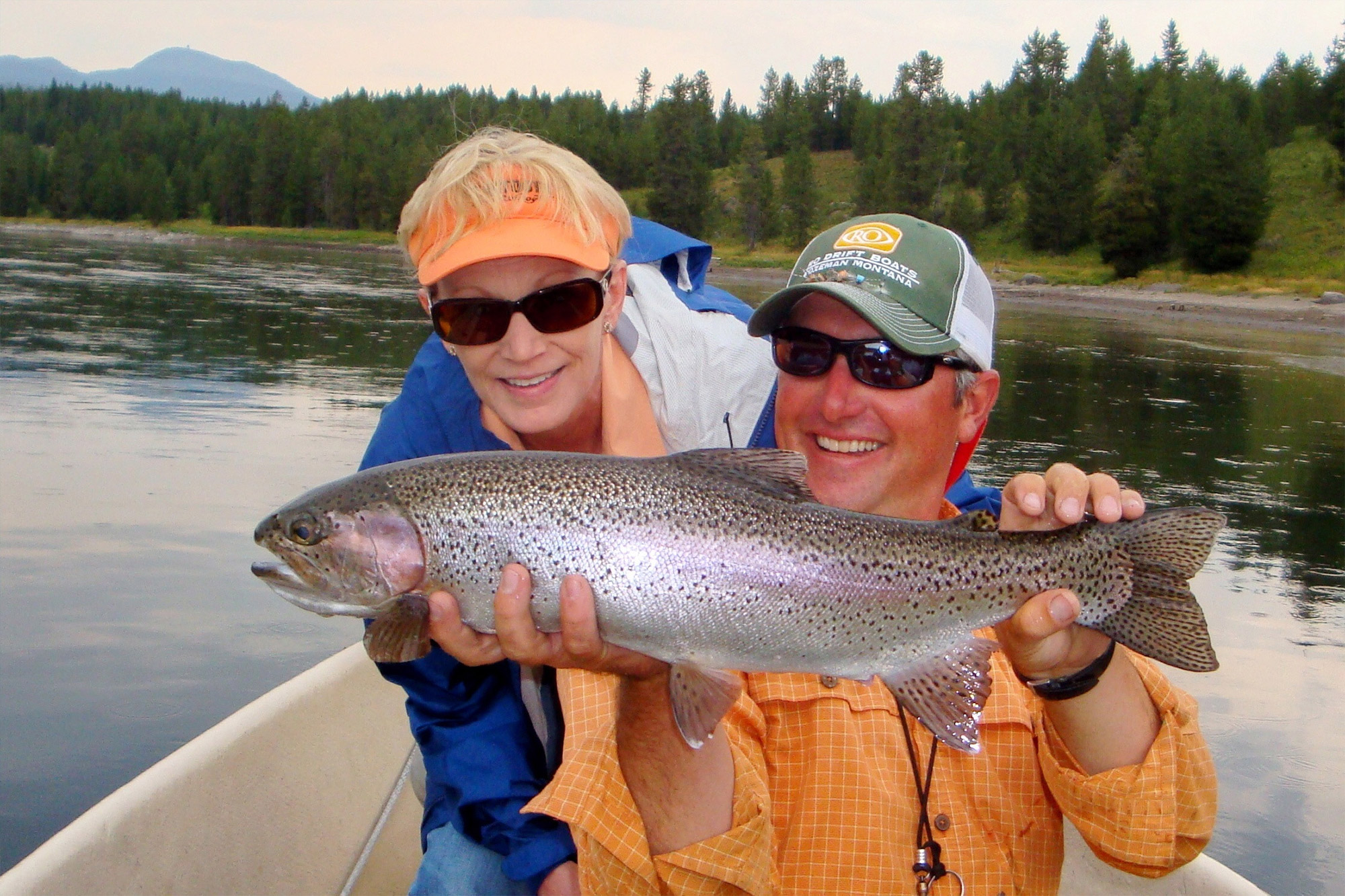
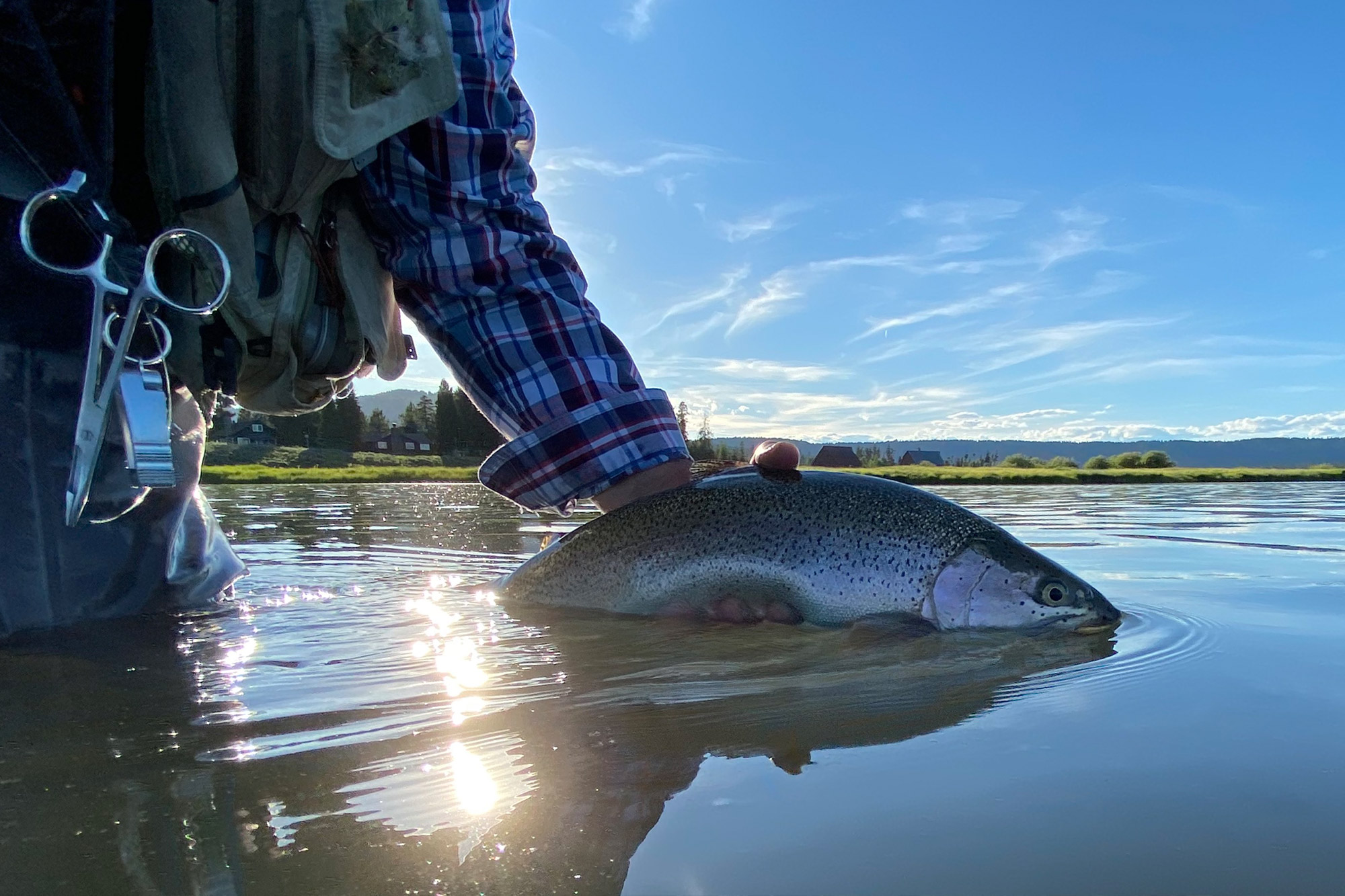
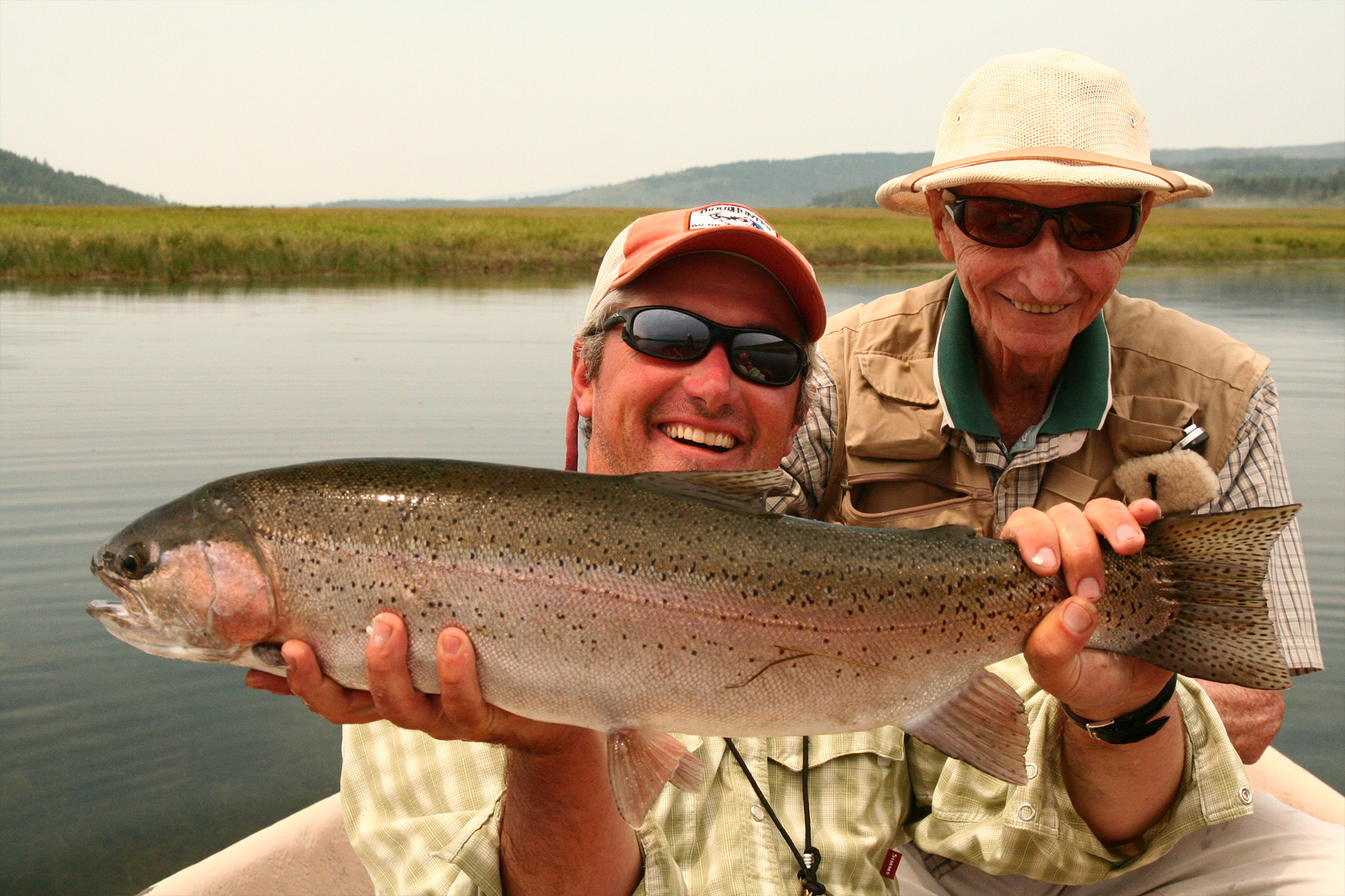
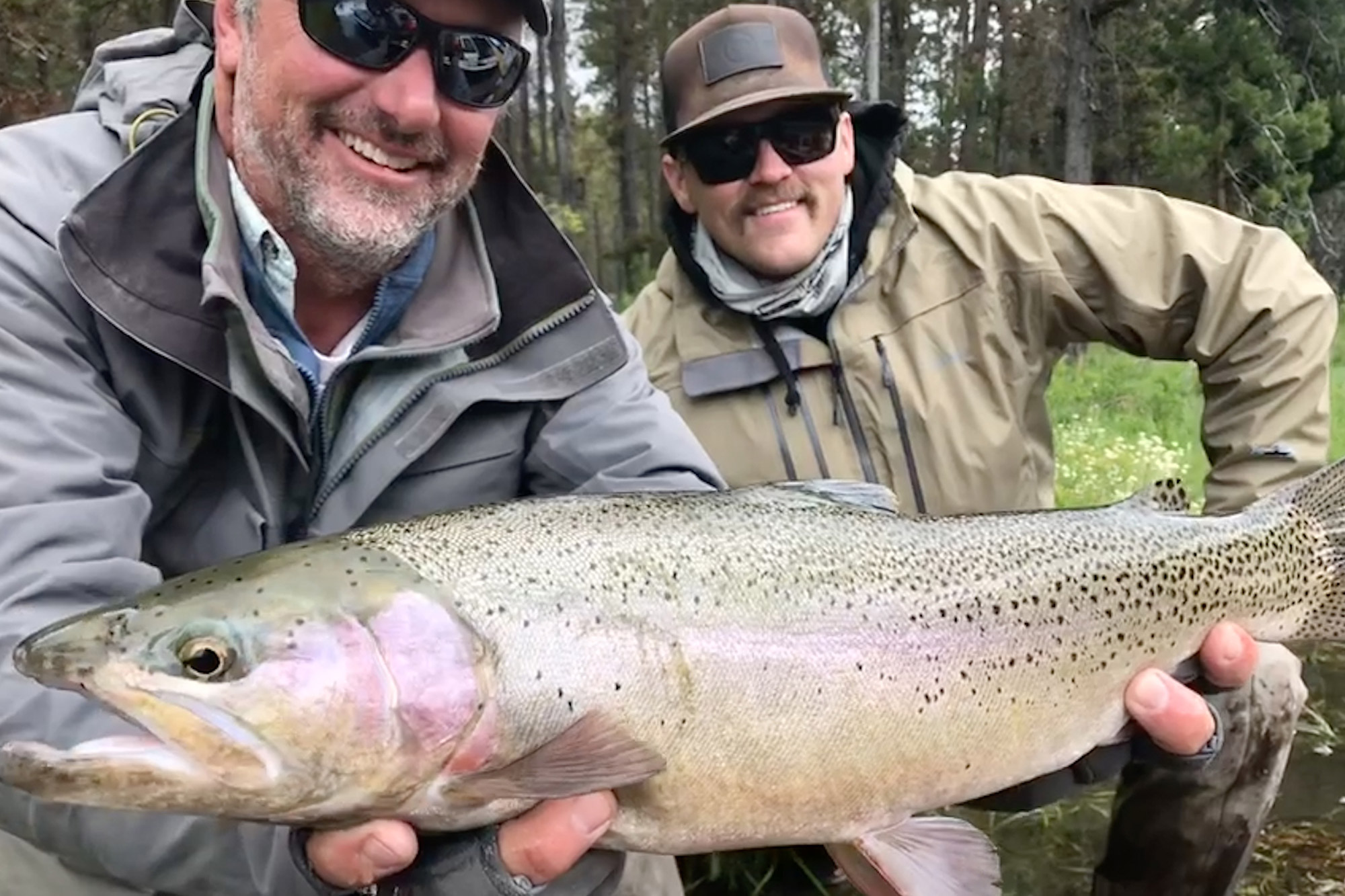
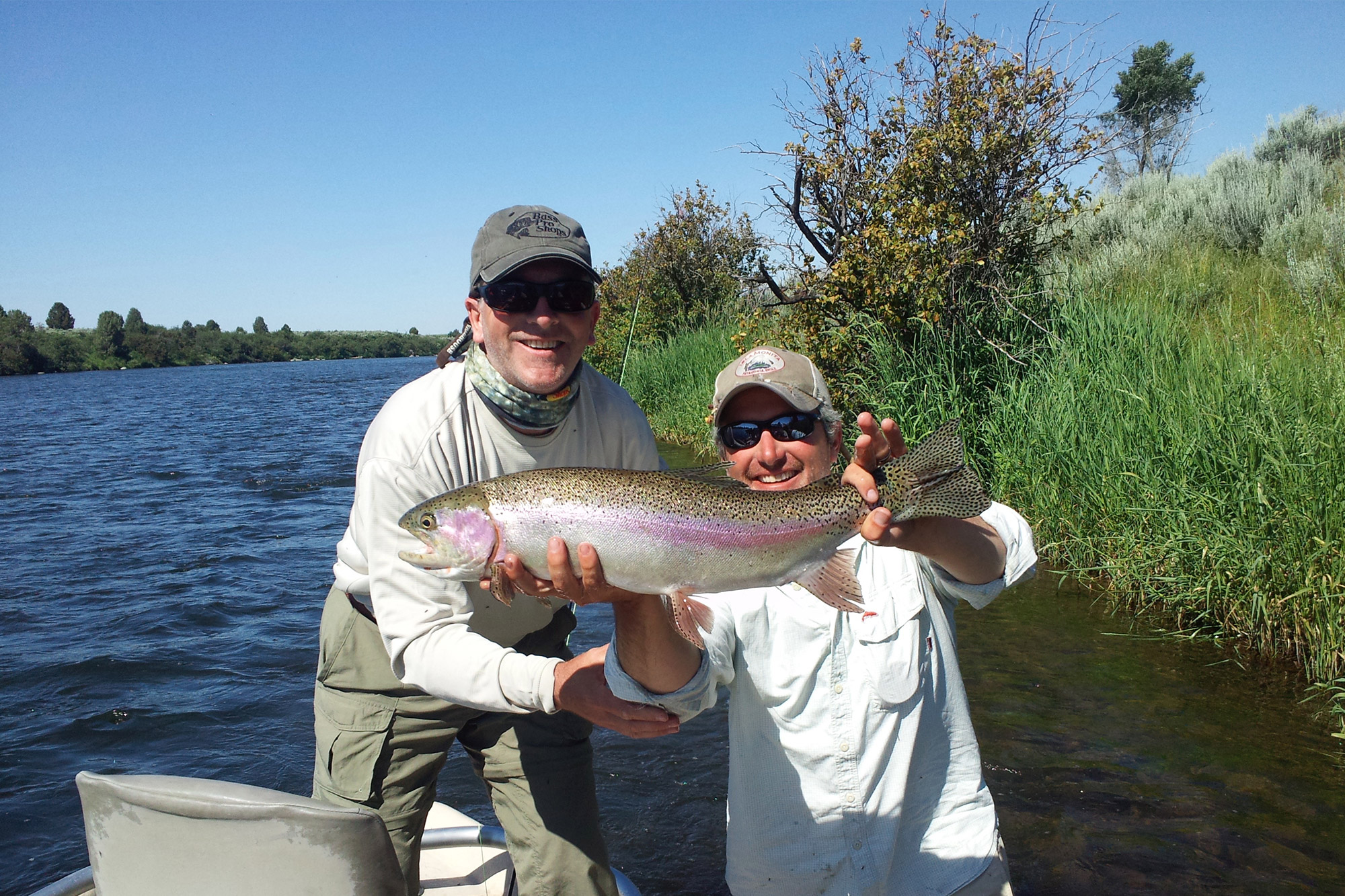
After the river leaves the narrow confines of the Box Canyon, it spreads out and slows down as it enters Harriman State Park. This is the old Union Pacific “Railroad Ranch”, donated to the state of Idaho in 1982, the jewel of the Henry’s Fork. This is the most iconic section of the river, a giant spring creek, easily wadeable and home to large, selective rainbow trout. Some anglers fish this water and never return to any of their prior haunts, becoming completely consumed by the hunt and pursuit of these large trout.
THE MIDDLE RIVER - RIVERSIDE CAMPGROUND TO ASHTON RESERVOIR
There are two primary waterfalls in this section, Upper and Lower Mesa Falls, both with total drops of nearly 100 feet. Well worth a visit and a photo. Once the river flattens at the downhill edge of the caldera, it is joined by the Warm River, another spring creek tributary. There, it changes in character and provides eight miles of relatively easy-to-fish riffle water which is perfectly suited for the beginning angler, terminating in Ashton Reservoir.
THE LOWER RIVER - ASHTON DAM TO CONFLUENCE WITH SOUTH FORK OF THE SNAKE RIVER
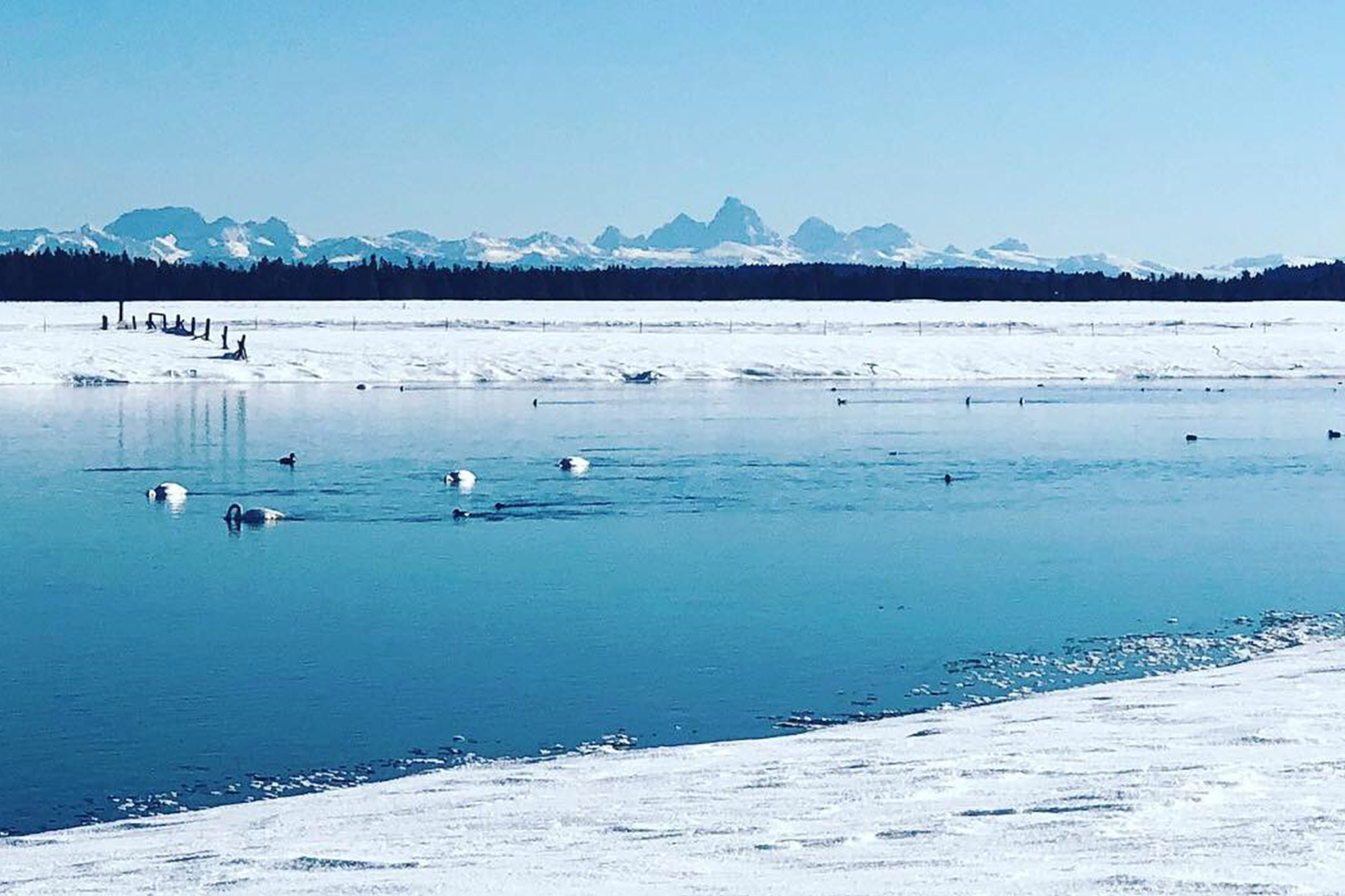
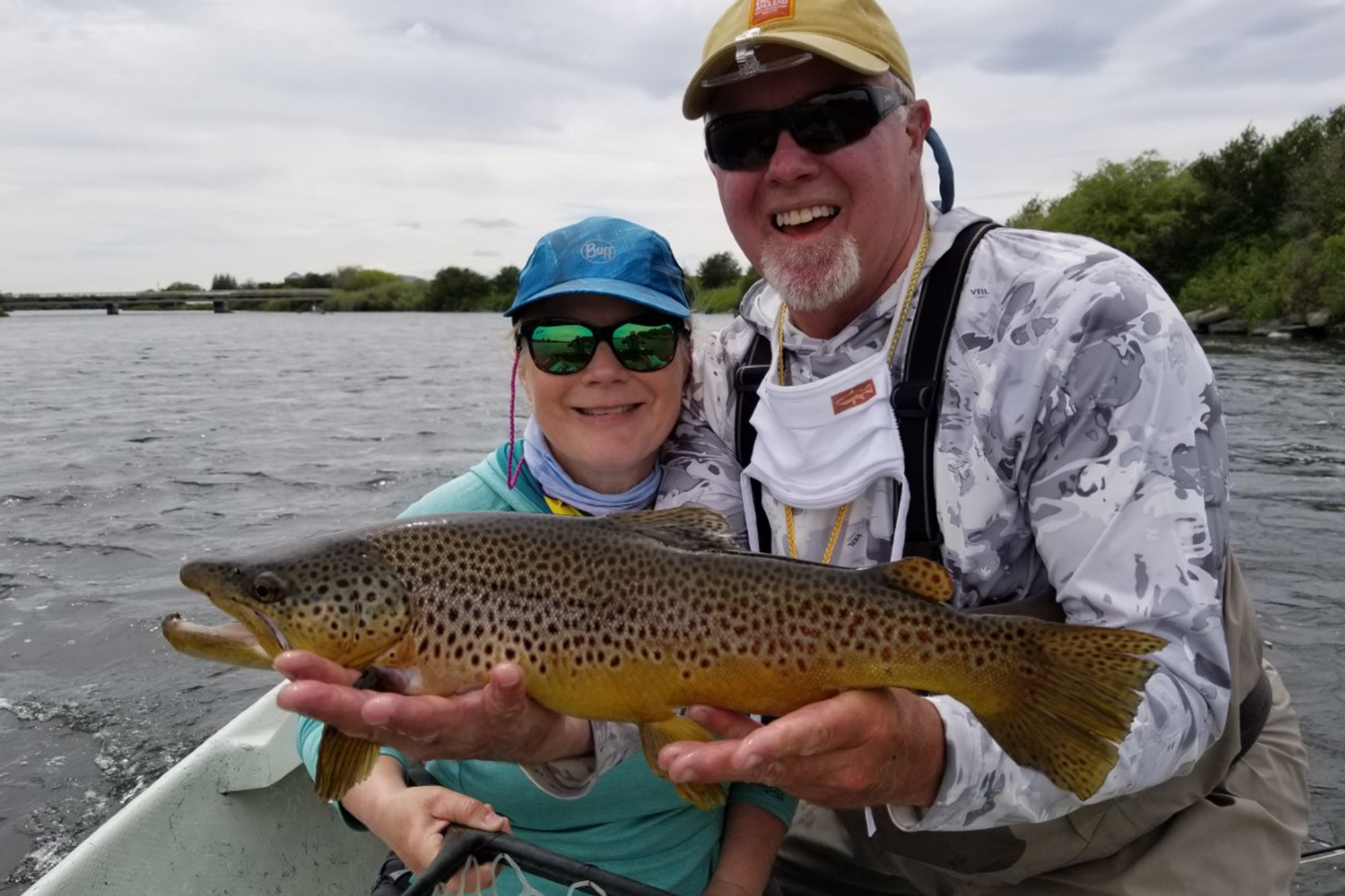
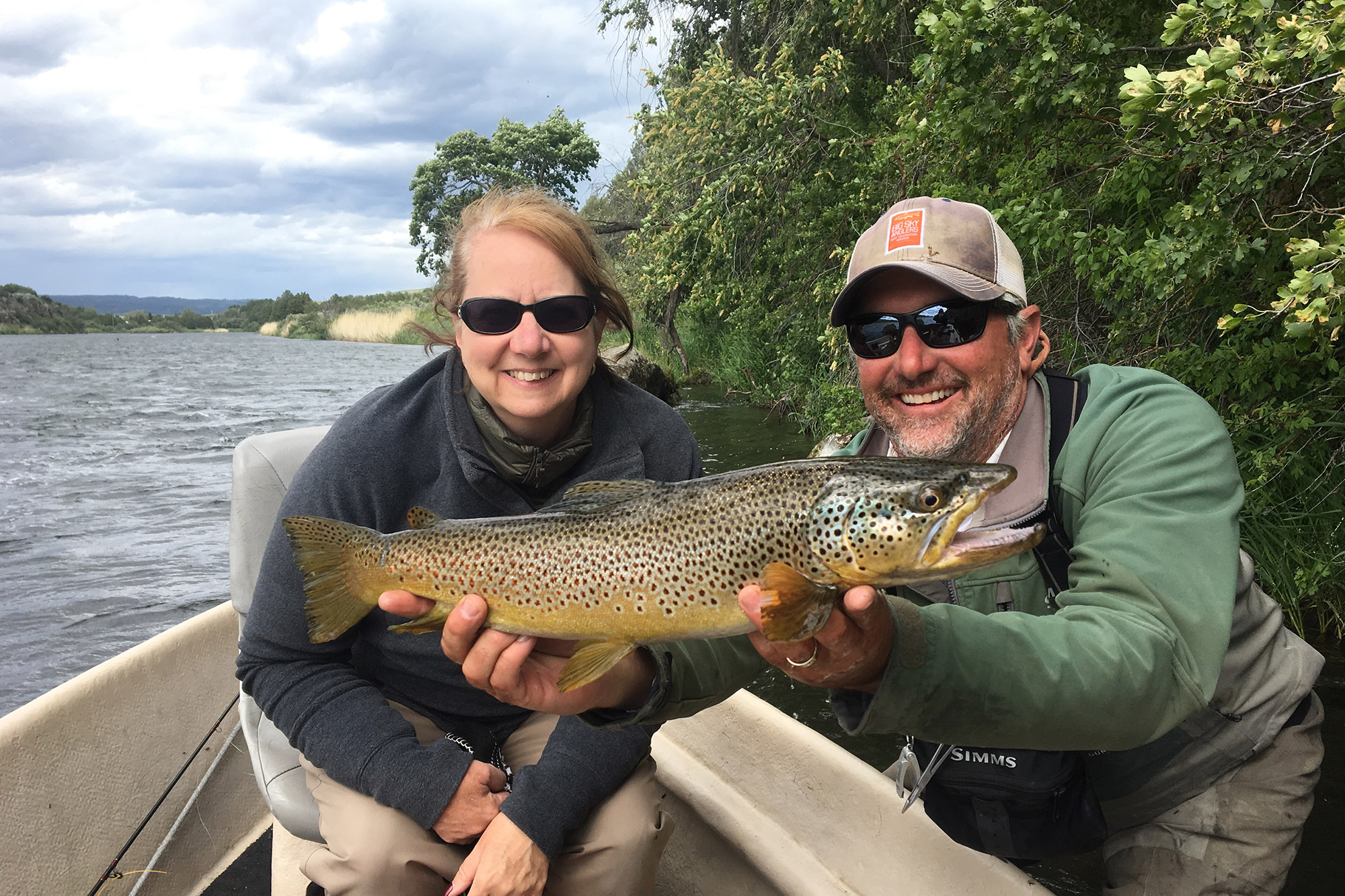
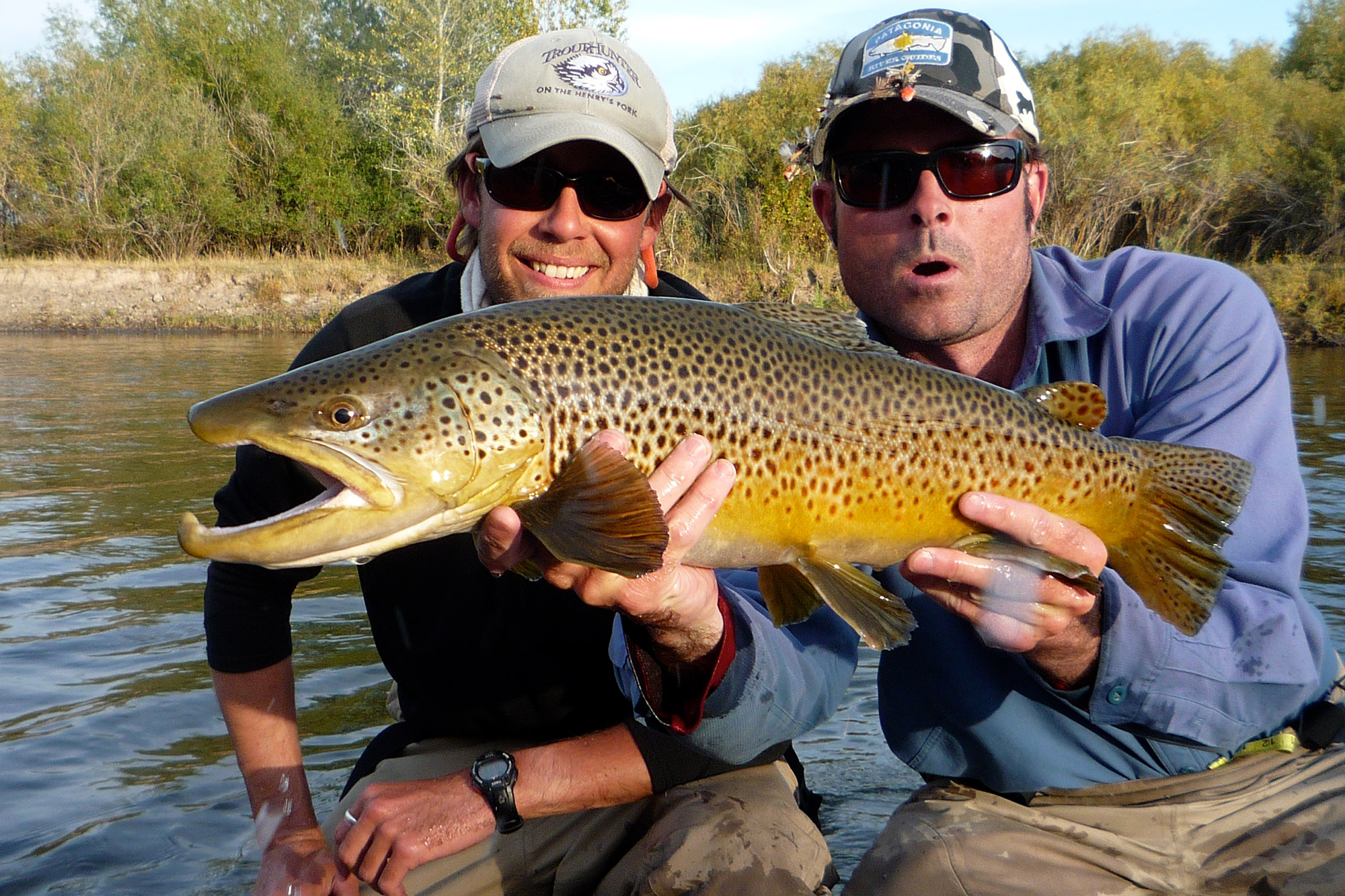
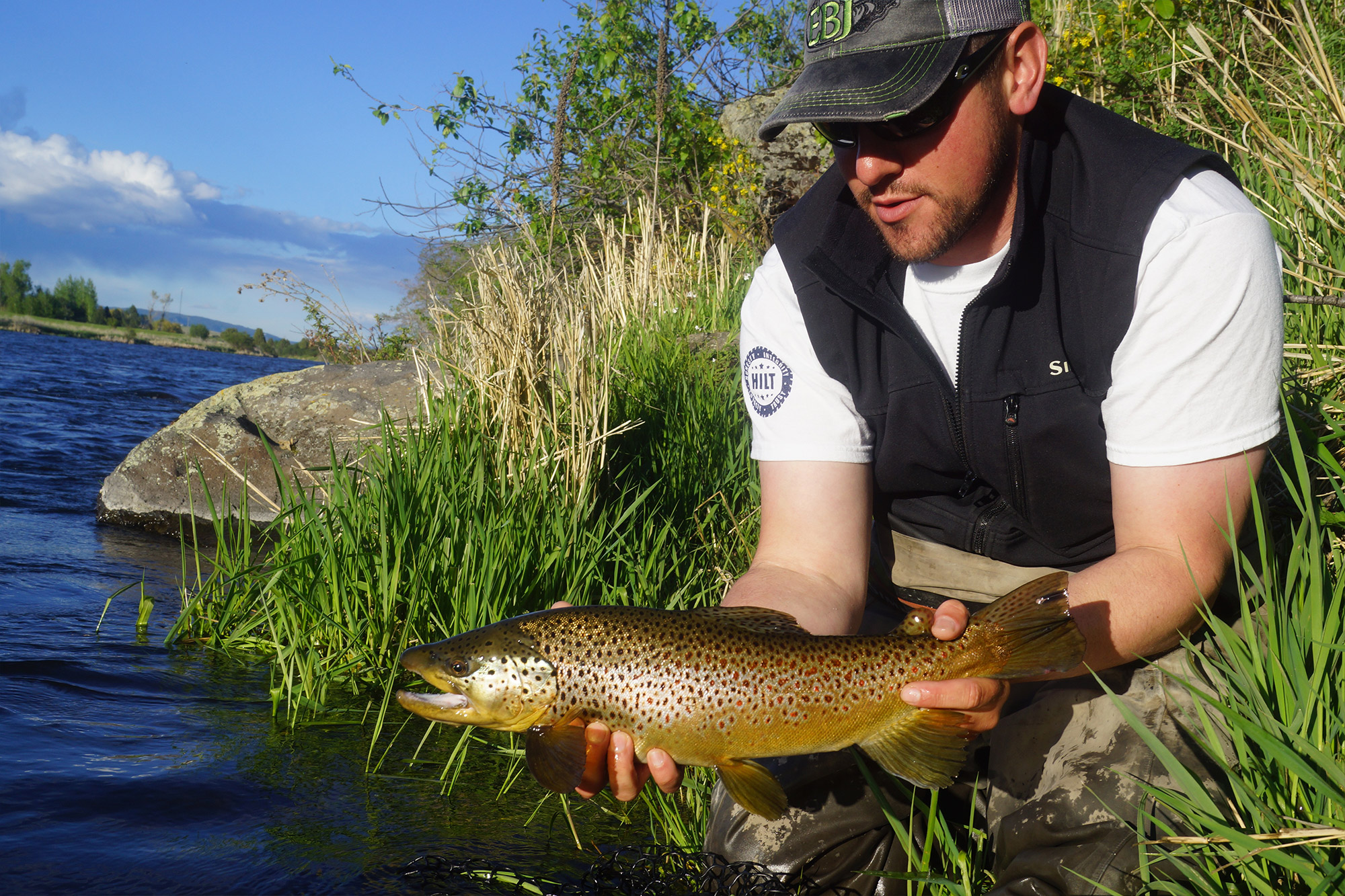
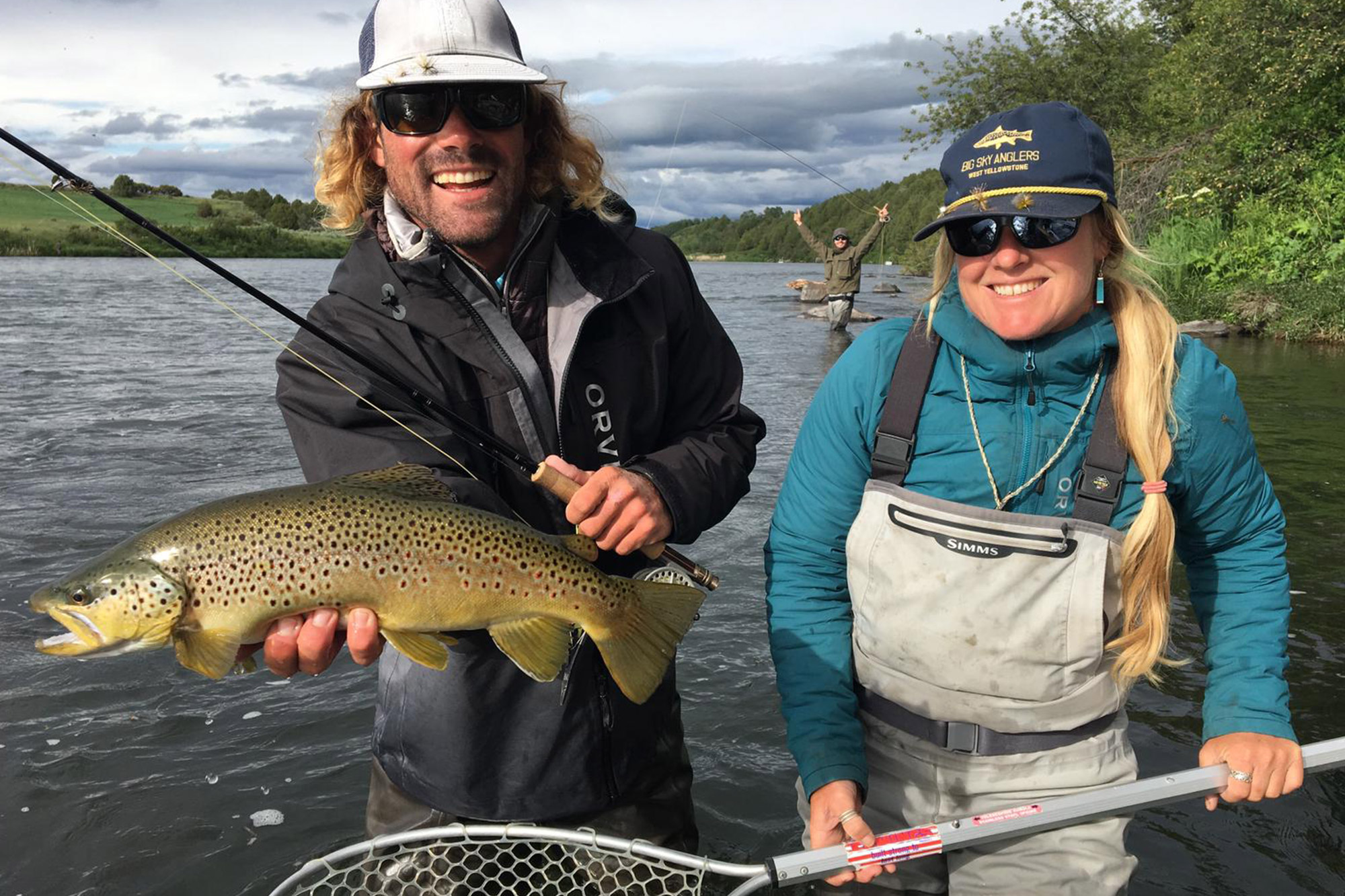
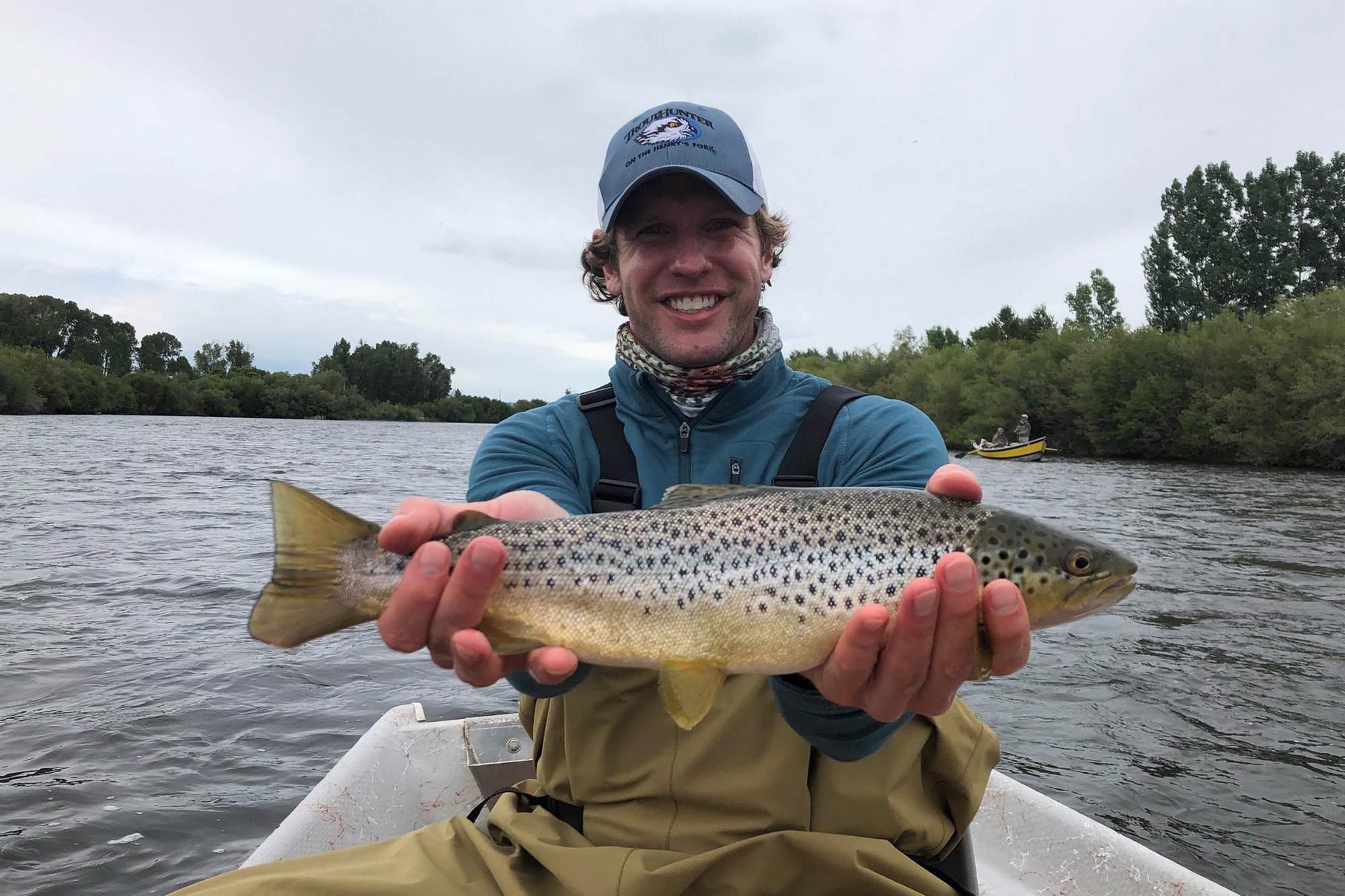
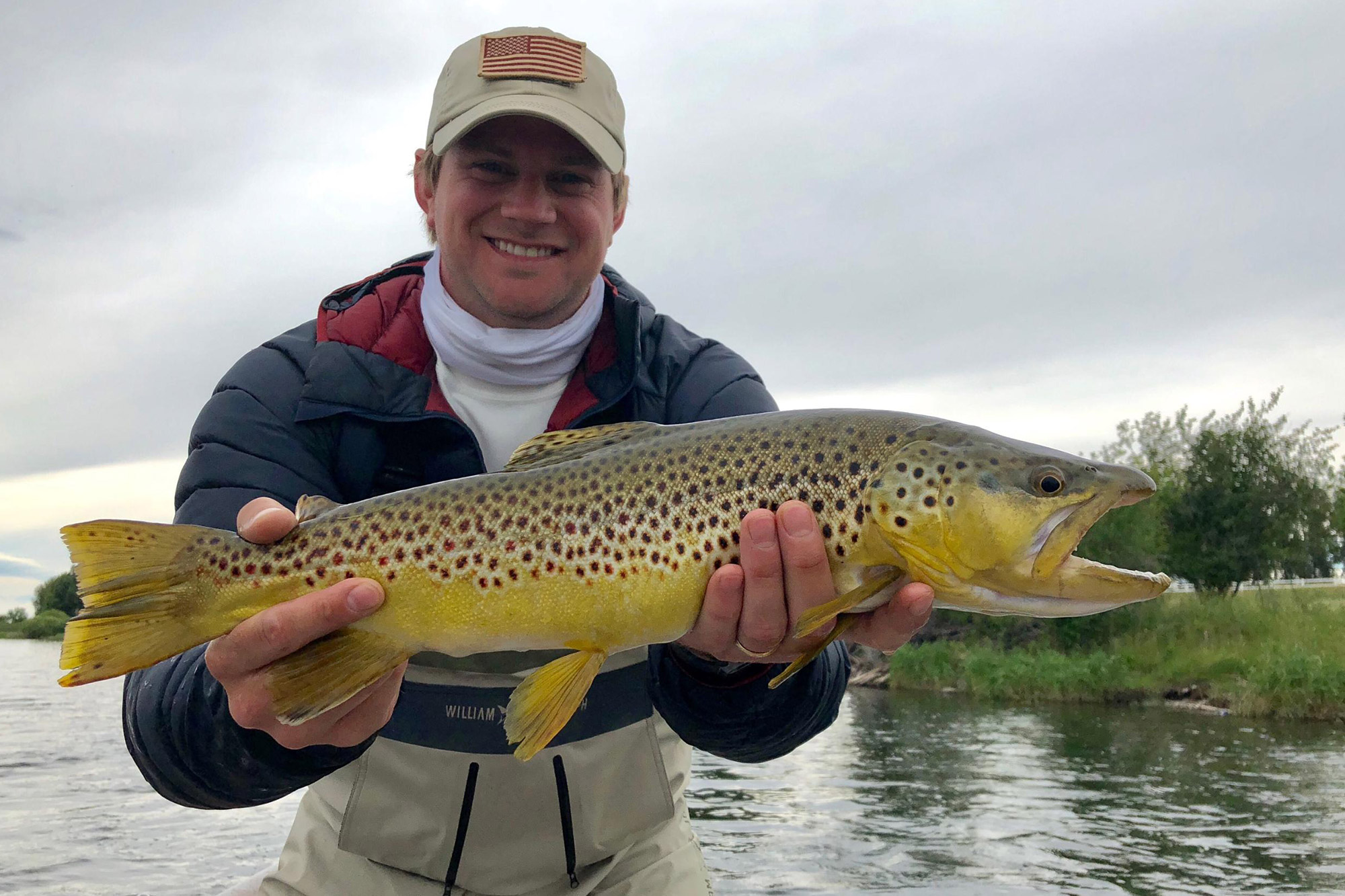
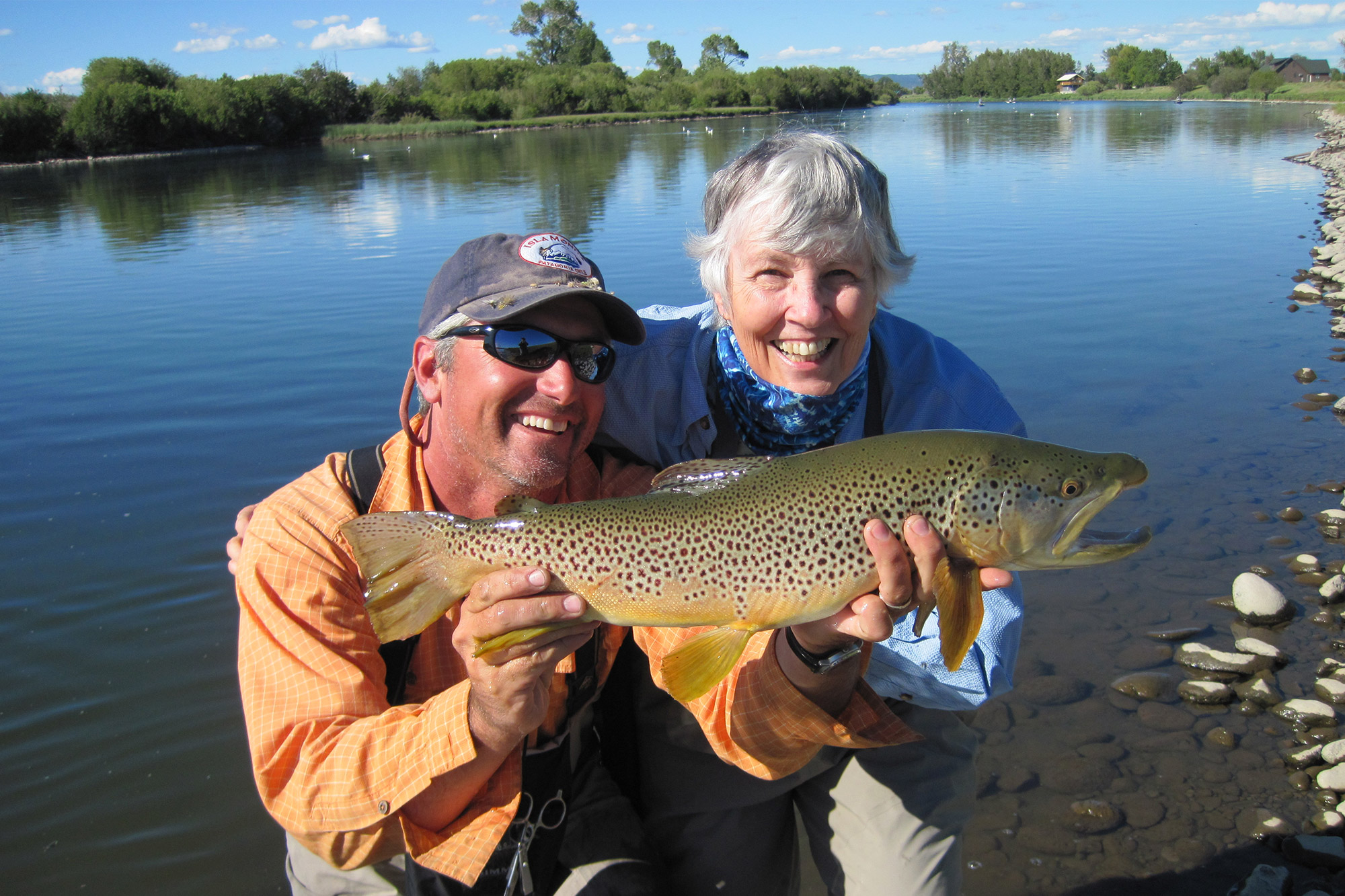
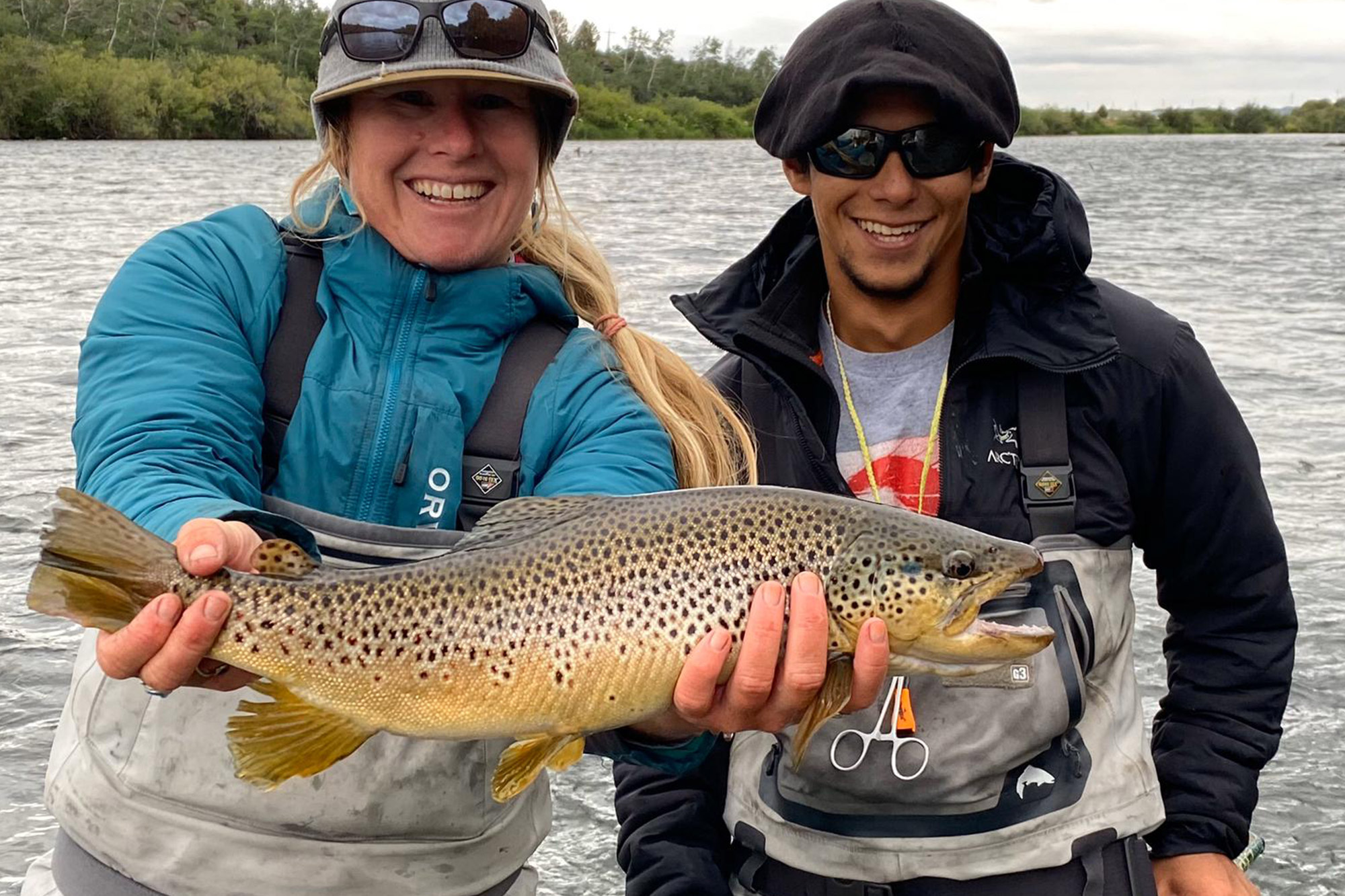
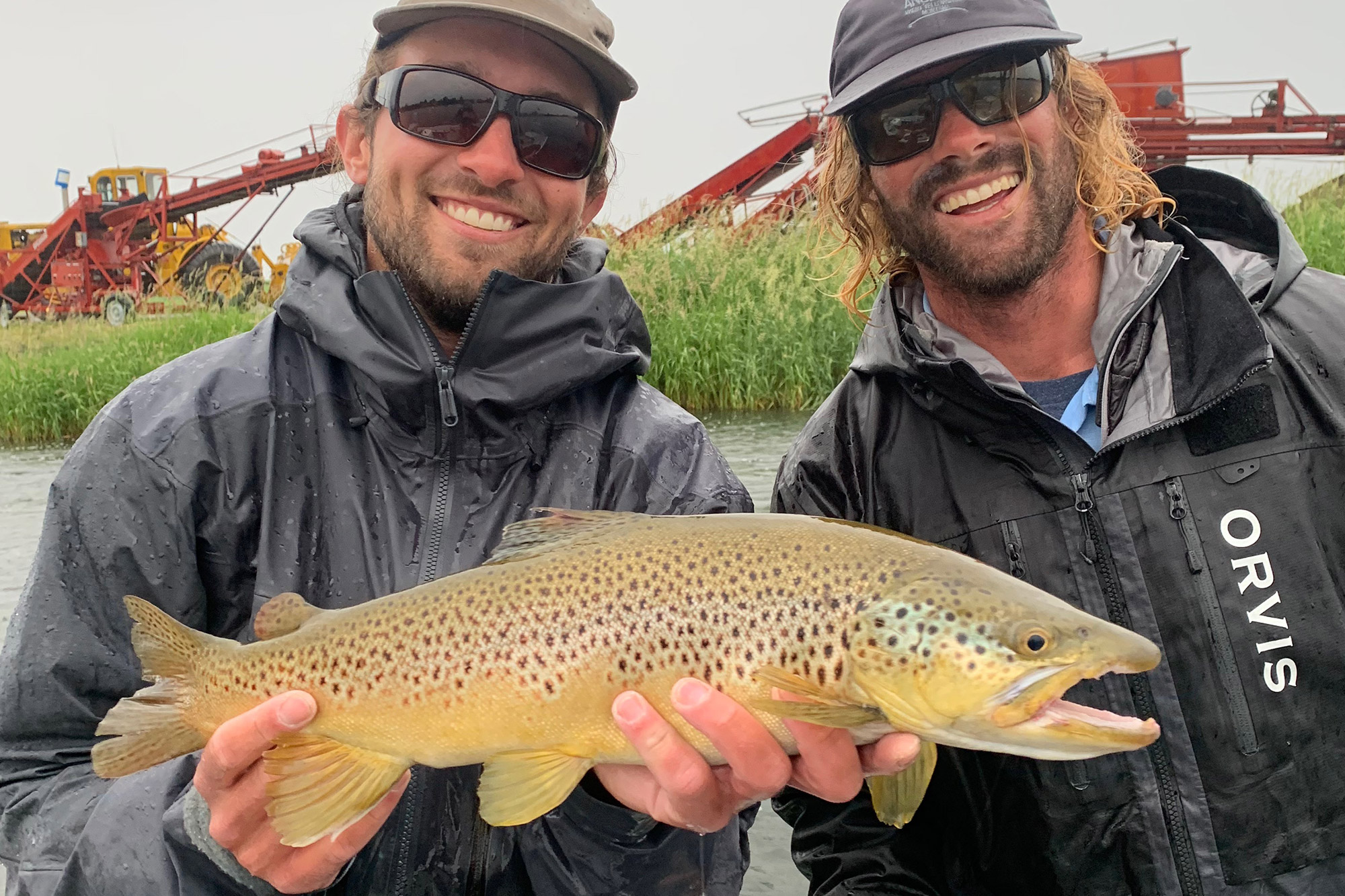
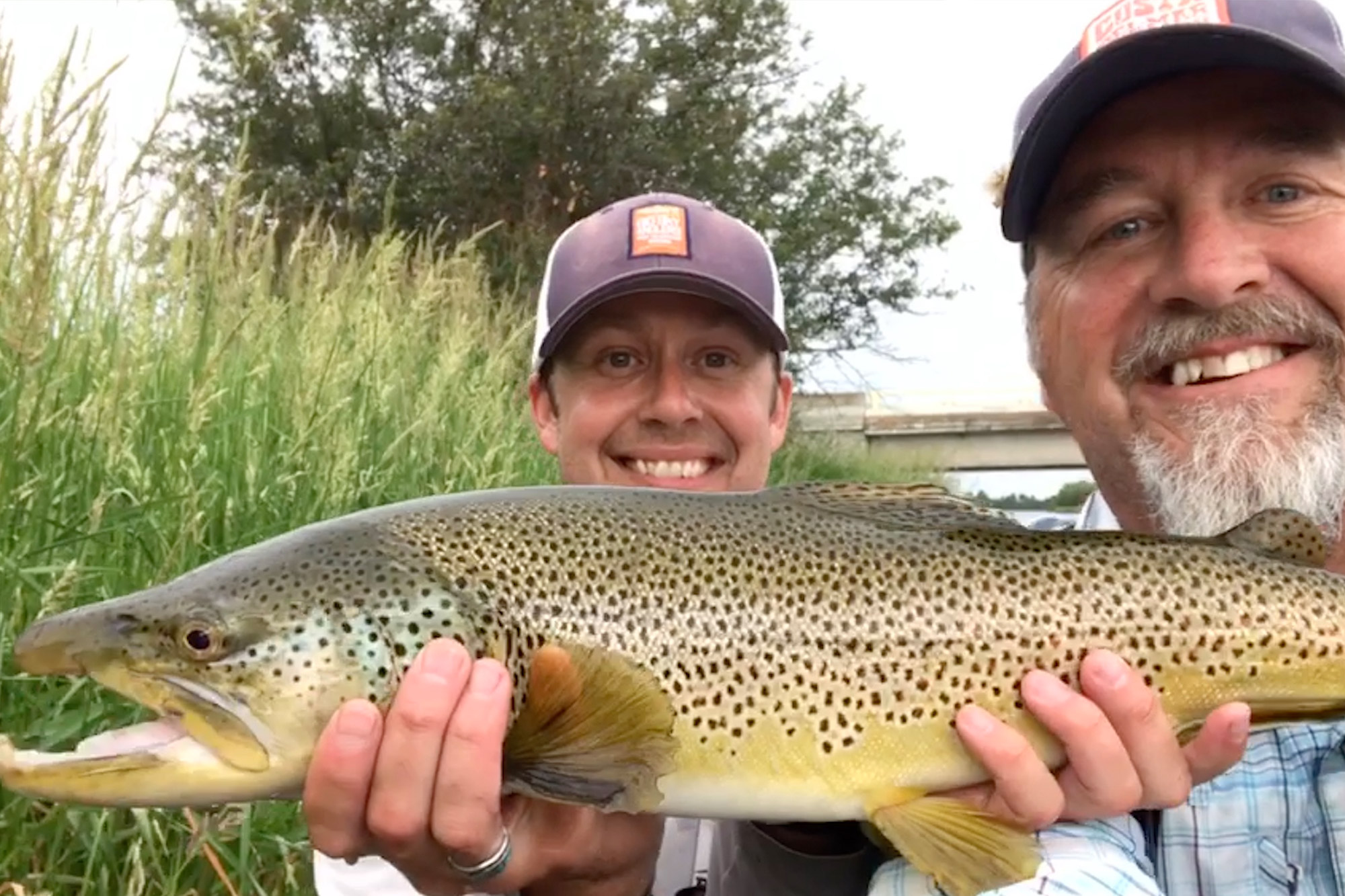
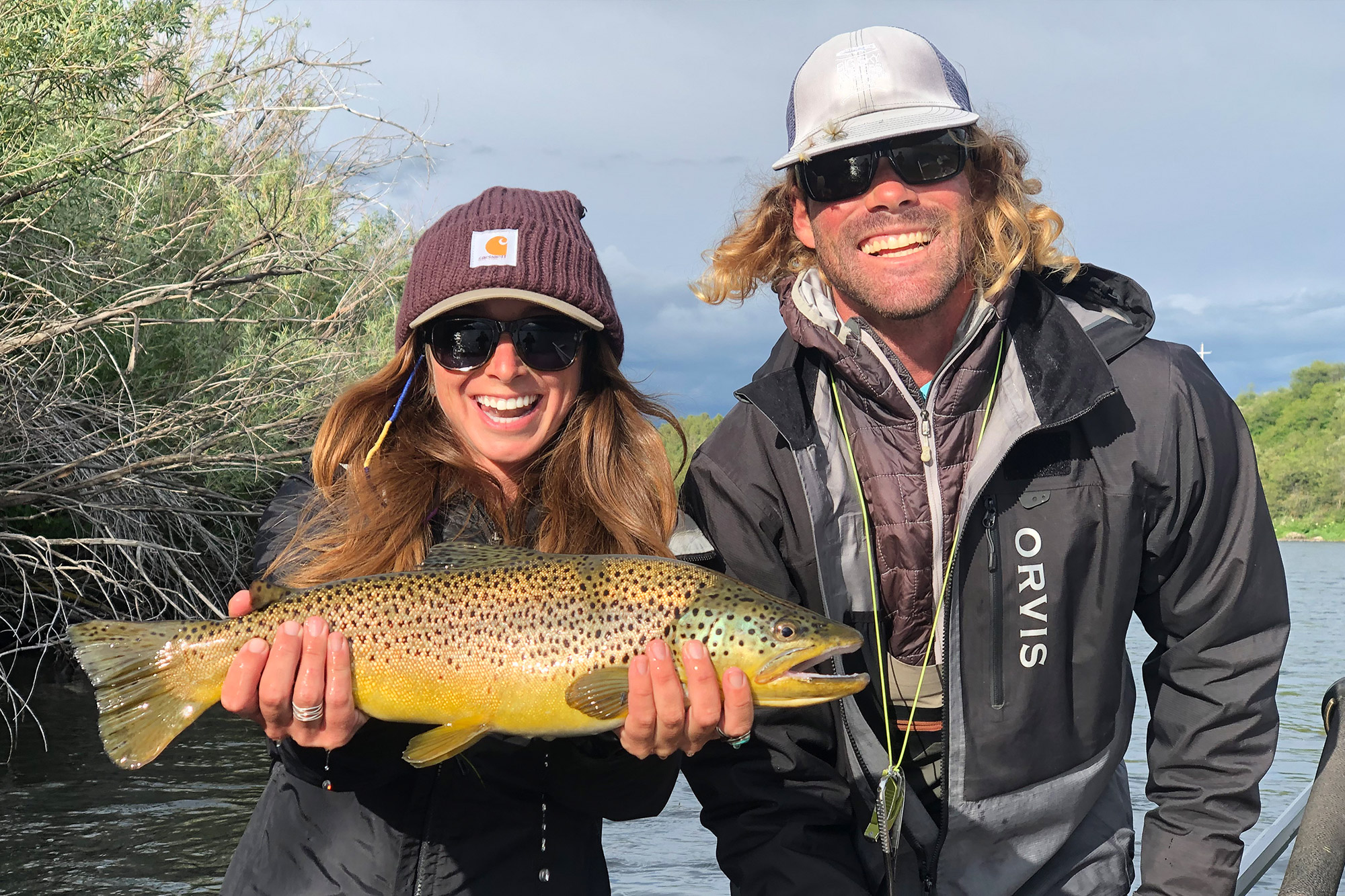
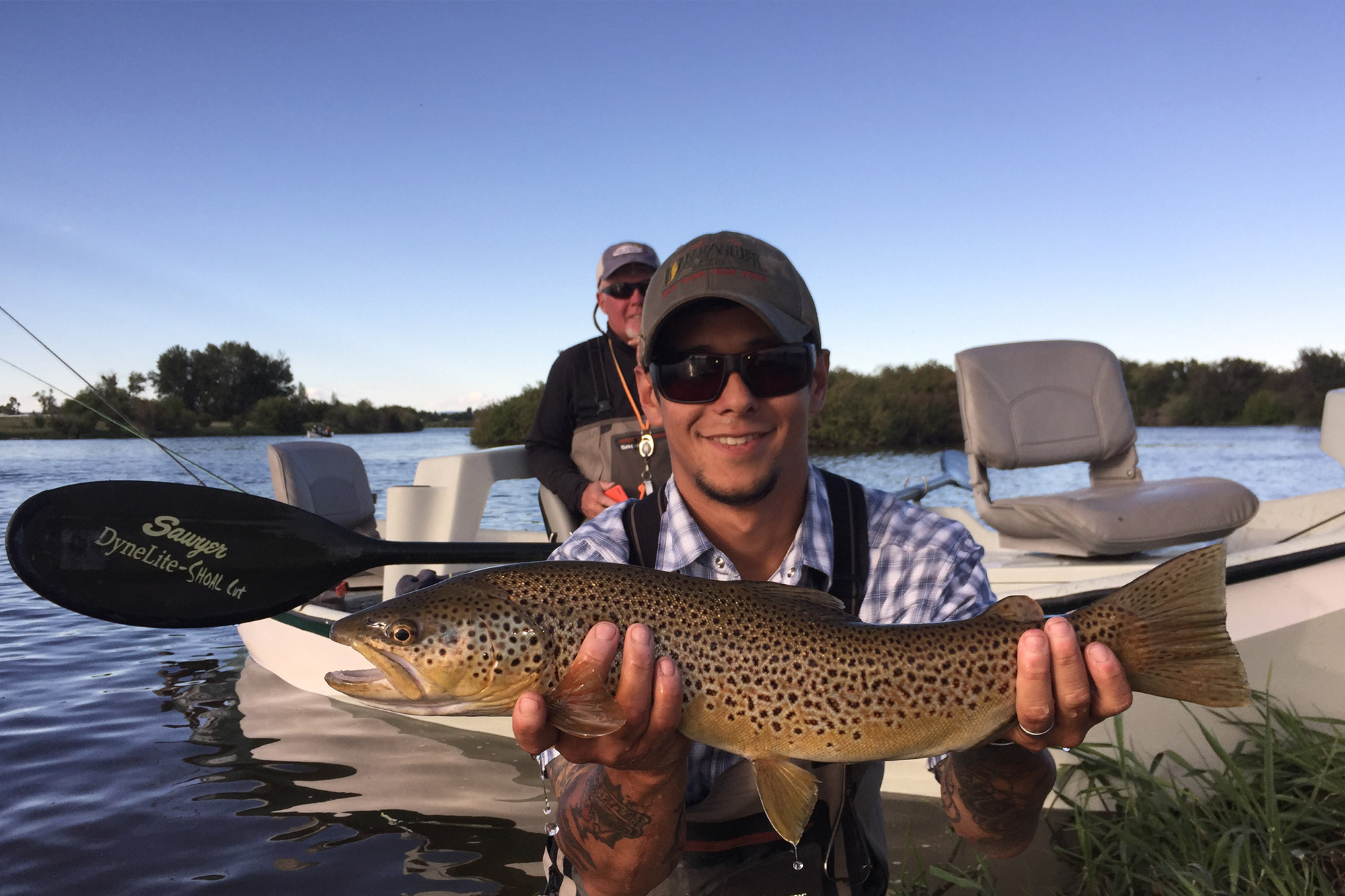
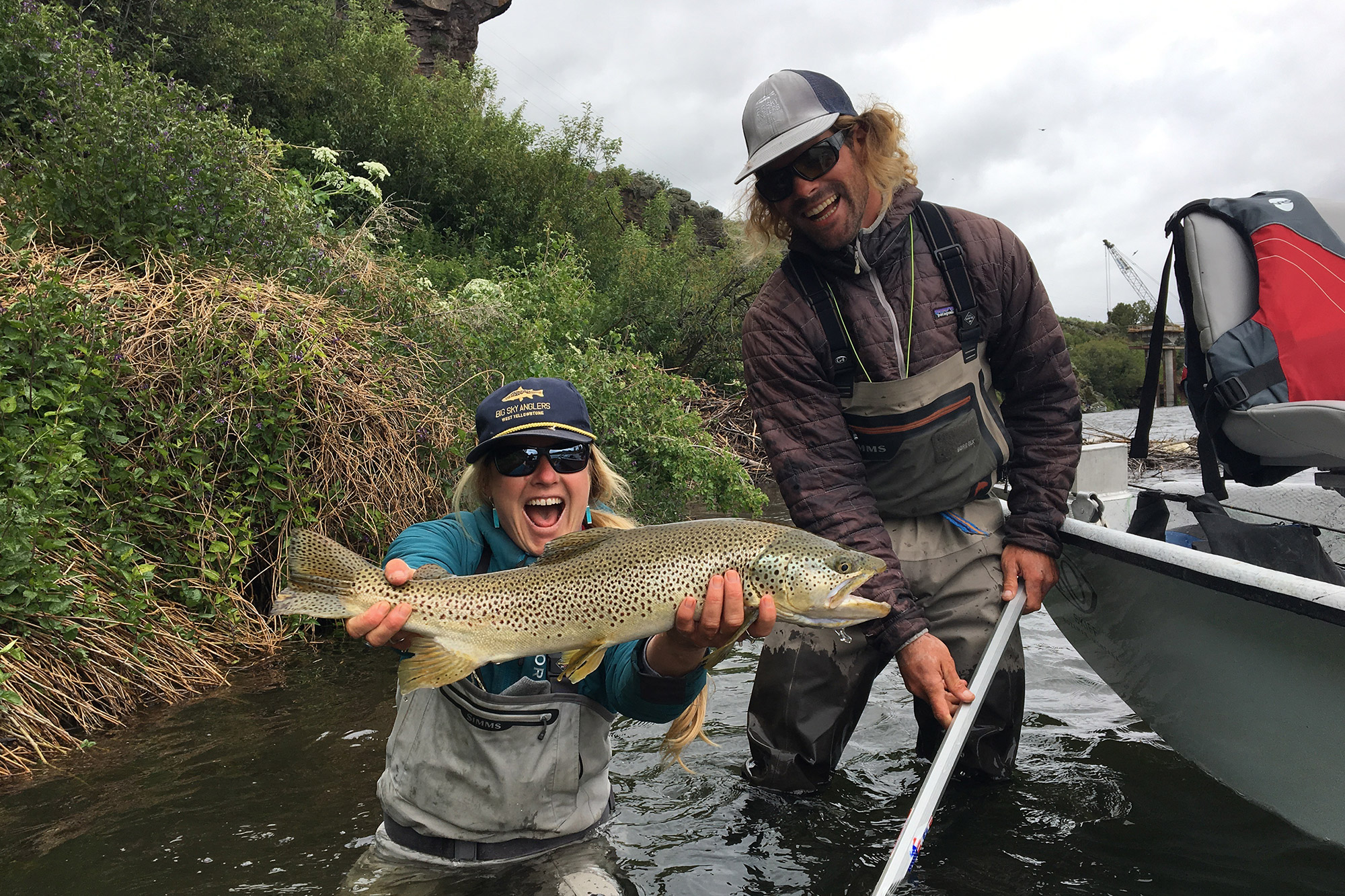
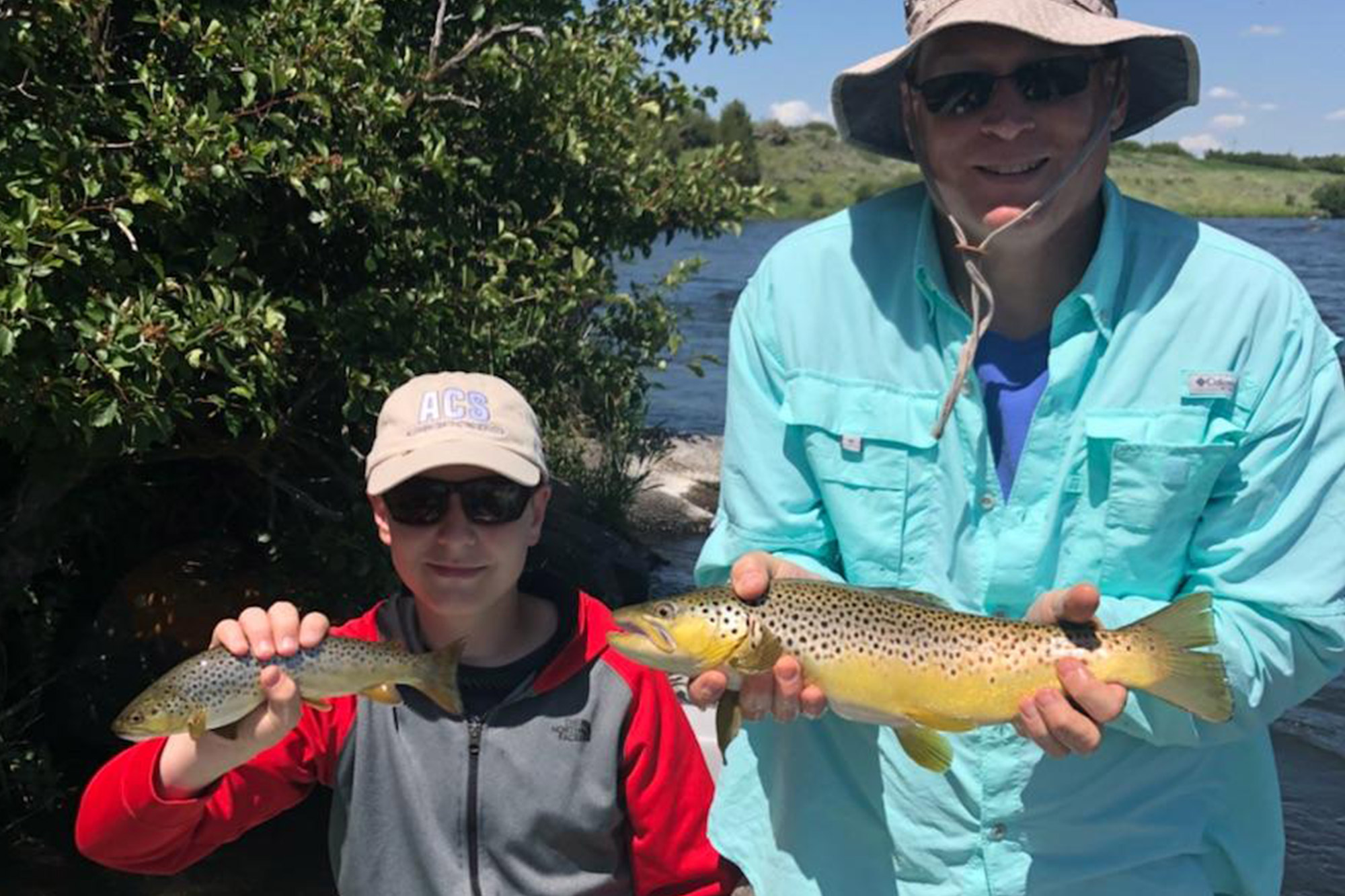
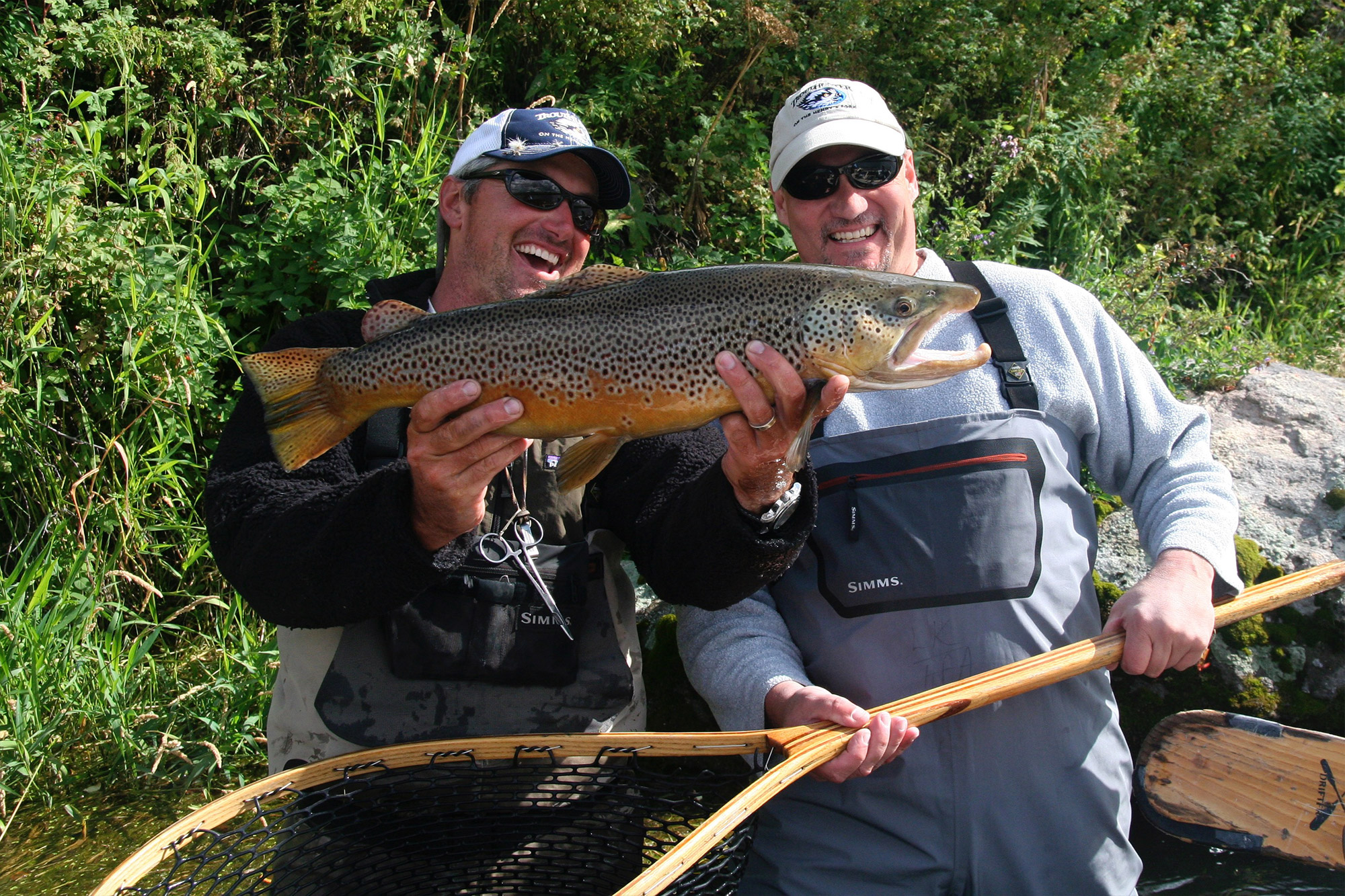
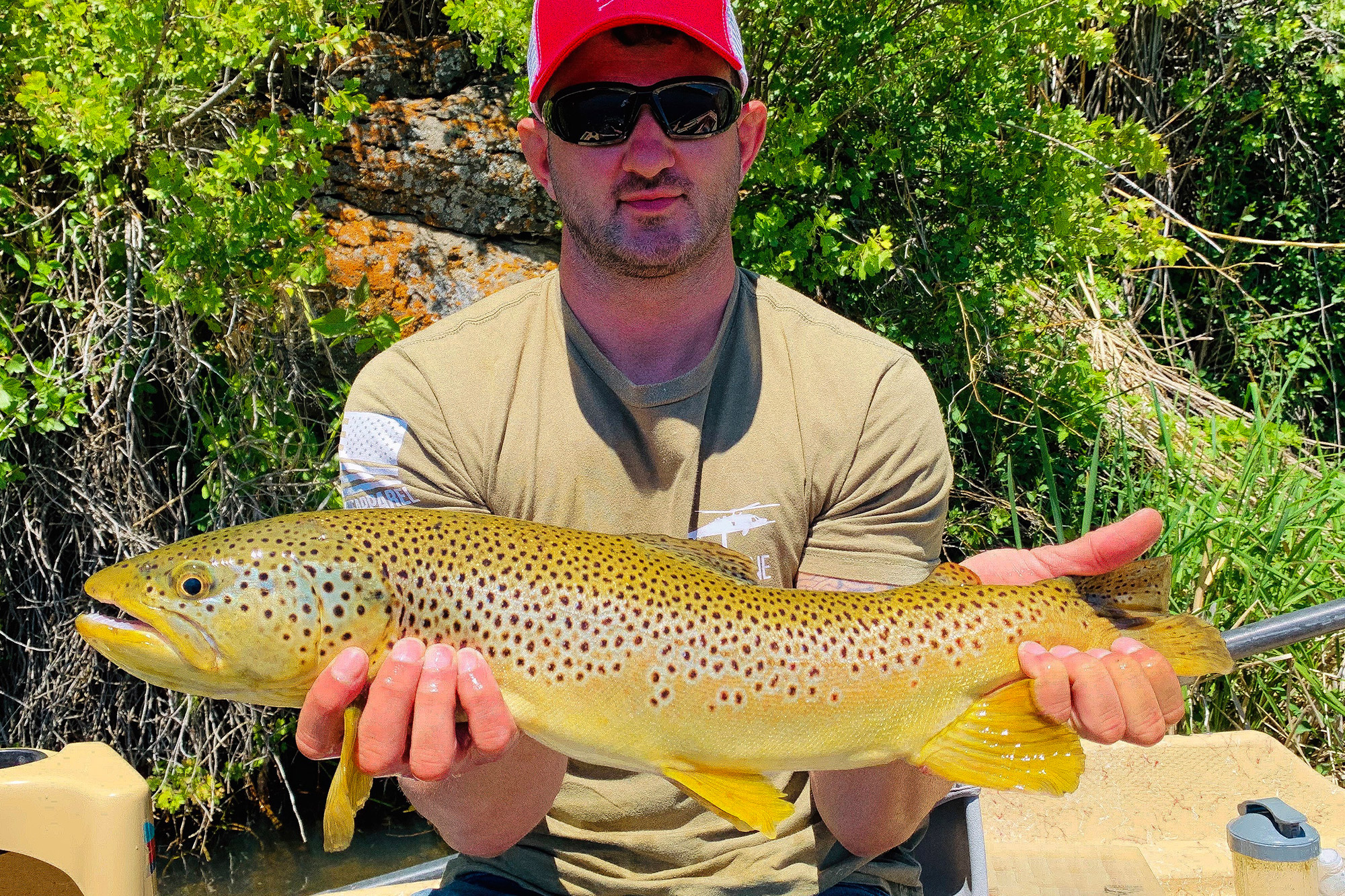
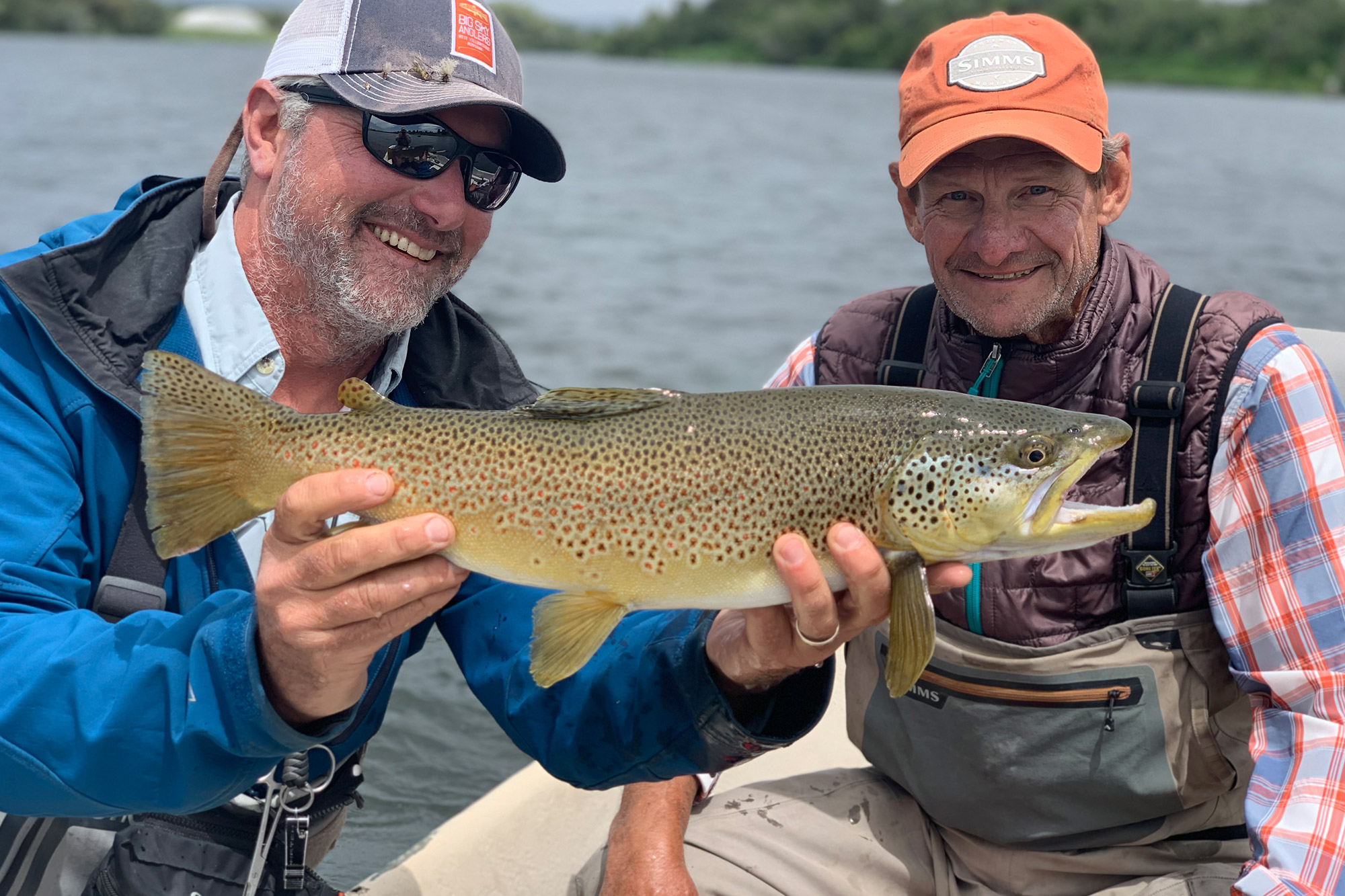
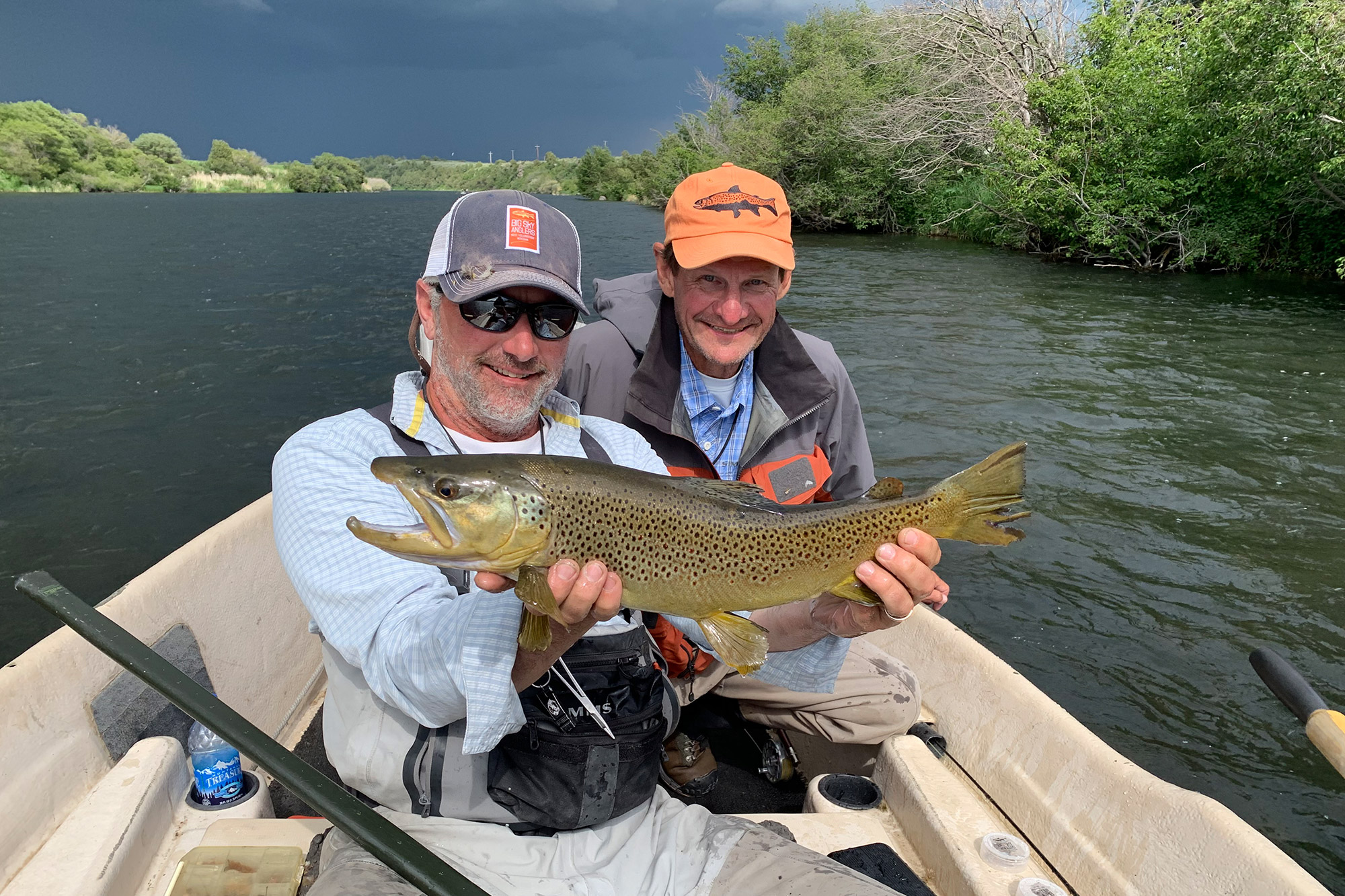
The landscape of the river changes as well down here, the river winds through farmland studded with old volcanic features, and the Teton Range towers to the east, providing spectacular vistas. These sections are best fished with a preference for quality over quantity, as catch rates can be a little lower but the rewards a bit bigger. The river down here holds both trophy brown trout and large rainbows, and provides some great seasonal fishing. We generally target these sections in May and June and again in September through October.